
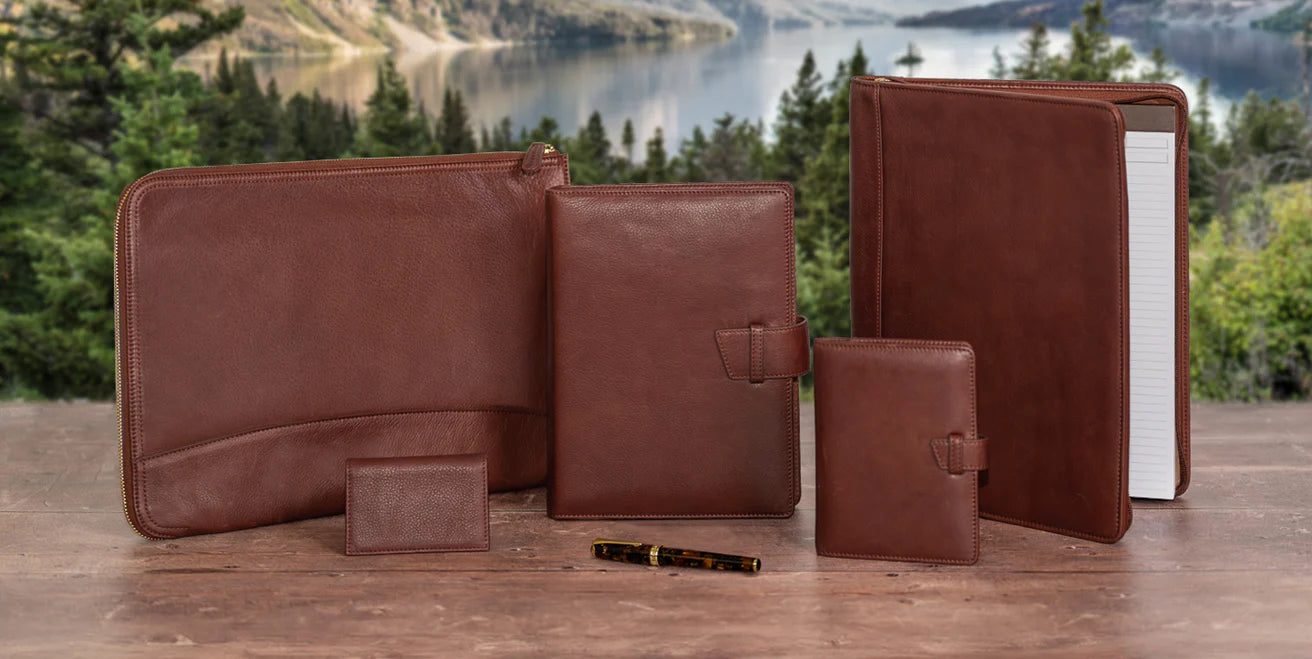
You’re here because you want a confident, practical answer—what planner size should you carry every day? Start with the size that fits your bag and your writing style, then fine-tune with pages and accessories. Levenger’s Circa system makes this easy: pages move, sections reconfigure, and covers endure. Choose once, evolve forever.
1) The quick answer by size and what it’s best for
If you’re deciding today: Pick Junior as the most balanced everyday size; choose Compact if you must slip a planner into a jacket pocket or very slim handbag; step up to Midway when you want more writing room without the full sheet; use Letter when you routinely punch and carry U.S. Letter (8 1/2 × 11 in) documents. Circa’s typical disc counts—7 (Compact), 8 (Junior), 9 (Midway), 11 (Letter)—keep page turns smooth and secure. For the ultra‑minimalist, Jotlet is a capture card system rather than a full planner.
Fit and feel, in plain terms: Compact disappears; Junior balances; Midway breathes; Letter integrates with documents. All four open flat, reconfigure quickly, and grow with your week by swapping discs and inserts.
Want a deeper size comparison with exact cover footprints and page dimensions? See this detailed size guide for measurements and quick-fit scenarios.
The planner itself, in the size you just picked
- Slips into a jacket pocket or a slim bag: Circa Leather Discbound Notebook — choose Compact at checkout for the smallest full planner footprint; the same cover is offered in Junior, Midway and Letter, so a change of mind later costs only a cover.
- The balanced everyday size most people settle on: Circa Modern Sliver Discbound Notebook — pick Junior for a half‑letter page that still writes comfortably on a lap or a café table, with Letter available in the same four colours and debossed initials as an option.
- More writing room without carrying the full sheet: Circa Midway Sliver Notebook — a Midway‑only cover for readers who have outgrown Junior but do not want a Letter book in the bag every day.
- Carries punched 8 1/2 × 11 in documents with your pages: Circa Discbound Notebook Starter Kit — select Letter to get cover, discs and pages in one order, then add only the refills you find you actually use.
- Capture‑only, for the true minimalist: Circa Smooth Sliver Jotlet — a 3 × 5 jotter for notes you transfer later rather than a planner you live in; four colours, debossed initials optional.
2) Will it fit my bag? A practical carry guide
Lead with the bag you carry 80% of the time. Dimensions on a page are helpful, but the real test is where the planner lives between meetings. Use these patterns to choose confidently:
- Jacket pocket or micro‑sling: Compact sits comfortably where a large phone would. If you prefer pocket capture plus a desk planner, use Jotlet for on‑the‑move notes and keep a larger size at home.
- Slim handbag, crossbody, or small satchel: Compact rides light with room for phone, keys, and a small wallet. The 7‑disc spine keeps page turns tight without snagging liners.
- Laptop backpack or tote: Junior is the daily default—ample page for two‑column days (appointments + tasks) while staying easy to retrieve between a laptop and a charger pouch.
- Briefcase with folders: Junior or Midway if you prioritize portability; Letter if you routinely punch and file handouts on the same discs.
- Client days with multiple handouts: Letter earns its keep on days when you must carry, annotate, and file U.S. Letter packets without folding or clipping.
One more sanity check: If your current bag barely zips by day’s end, go Compact. If you sometimes wish your notebook were larger when you’re sketching a solution in a meeting, go Junior or Midway.
For a deeper dive into covers and shoulder comfort on the move, see our guide to on‑the‑go folios and bags.
3) Writing comfort and layout: how much page do you really use?
Start with your handwriting and your week. If your hand is large, you block-print, or you sketch wireframes and diagrams, Junior or Midway will feel natural. If your planning style is lists and short prompts, Compact keeps you focused and finished. Letter is a generous canvas when your thinking runs wide or you annotate full documents.
- Appointments + tasks (two-column days): Junior lets you divide the page cleanly while still leaving a margin for quick flags, symbols, and carry‑over arrows.
- Meetings with shared documents: Letter integrates sign‑in sheets, agendas, and handouts—no clipping or folding needed.
- Project thinking with sketches: Midway strikes a balance: more room for grids and boxes without the full height of Letter.
- Errands, habit tracking, and pocketable gratitude lists: Compact is comfortable when entries are short, frequent, and immediately actionable.
Pro move: Add a page finder so today’s spread opens instantly, and use a second finder to flip to your current weekly overview. It keeps even a Compact planner feeling fast.
Pocket capture that makes a smaller planner work harder
When you travel light, the right refills and dividers carry the load so your pages stay organized and actionable.
- Jump straight to today with a slim bookmark: Circa Discbound Notebook Page Finder (set of 2) — it keeps a Compact or Junior snappy in meetings and in transit.
- Turn a weekly plan into action: Circa Things To Do Discbound Refill (100 sheets) — it gives list‑first planners a consistent checkbox rhythm without bulking discs.
- Lay out unstructured weeks cleanly: Circa Weekly Freeform Planner Discbound Refill — it lets you sketch a week across fewer, lighter pages—ideal in Compact or Junior.
4) The travel answer: what to carry on planes and trains
Pack Compact when you want maximum agility; bring Junior when you’ll write more than you’ll reference. Airline tray tables reward the book that opens flat, resists bleed‑through, and flips cleanly with one hand. Compact slides into seat‑back pockets; Junior gives more canvas for hotel to‑do lists and meeting notes without crowding a laptop.
How to strip down for a trip—and rebuild later
- Scope the calendar window: Pull just the days you’ll travel plus a 1–2‑week buffer. Keep your monthly spread if you expect rebooking.
- Segment the book: Put travel confirmations and reference behind a tab after your daily pages; one tab per segment keeps one‑hand flips smooth during boarding calls.
- Right‑size the discs: Travel with discs one size larger than normal if you’re adding sleeves and tickets; page turns will remain smooth when your bag is tight.
- Rebuild at home: Archive spent daily pages by month; move any open action forward to a fresh date so nothing ages out.
Travel folios and carry pieces that keep your kit composed
When you’re in motion, a structured folio keeps your planner flat, your boarding pass close, and your pen exactly where you left it.
- Zip‑around security for gate changes and tight aisles: Bomber Jacket Circa Zip Pro Folio — it protects pages and cards in a single grab‑and‑go organizer that drops into a backpack or under‑seat bag.
- Slender elegance for day trips and conference rooms: Emerson True Notes Folio rides flat under an arm, holds your current planner, and gives you a built‑in place to stage cards and a pen.
Going deep on modular mobility? See practical carry layouts in our Softolio and bags guide.
5) Work and personal: one planner split or two planners in tandem?
If privacy matters and home logistics differ from office tempo, keep two planners; otherwise split one Junior front/back. Discs make either approach fluid: move the exact page—don’t copy it—so both work and home stay aligned without rewrite fatigue.
Setup A: One book, split front/back
- Layout: Weekly or daily pages up front for work; a firm divider; then lists and calendars for home. Use contrasting tabs so you can flip by color.
- Daily cadence: AM checks work priorities; mid‑day moves family‑related follow‑ups behind the divider; PM archives decisions and resets tomorrow’s top three.
- Best size: Junior gives meeting‑friendly page width without adding bulk to a tote.
Setup B: Two planners—one stays at the office, one lives at home
- Layout: Junior at your desk; Compact in your bag or on a foyer table. A small set of transfer pages shuttles items between books so you never double‑enter.
- Boundary benefit: You close the work book at 6:00 p.m., and your mind follows. The home book opens after dinner, not during.
Choosing based on your week: If you handle sensitive client notes or grades in meetings, two books keep private pages private. If your days braid work and personal constantly, one well‑tabbed Junior saves motion.
Accessories that make boundaries crisp
- Divide and store without loose envelopes: Circa Clear Discbound Notebook Pocket Dividers stage receipts or school flyers while doubling as durable tabs.
- Start a new section in seconds: Circa Translucent Discbound Notebook Covers (set of 2) turn a subsection into a self‑contained booklet you can move between work and home.
- Keep essentials visible and reachable: Circa Wafer Discbound Notebook Dividers (set of 8) provide slim, color‑coded wayfinding that works even in a compact spine.
6) Refills and layouts: make the size you choose do more
Weekly vs daily vs monthly: Choose the lightest structure that still supports your decisions. If a week at a glance is enough, you’ll carry less and move faster. If your days are stacked with appointments, a daily view holds the detail without crowding.
Daily, weekly, and evergreen planning options
- Focused daily structure when your schedule runs long: Circa Daily Agenda Refill — it gives room for time‑specific appointments and generous notes; bring only the days you’ll use.
- Weekly flow with modern prompts: 2027 Circa Modern smartPlanner Weekly Discbound Agenda Refill blends overview with habit‑friendly check‑ins so you see the shape of the week without overfilling discs.
- Start anytime with goal‑forward structure: Circa Start‑Anytime Visions smartPlanner Agenda Refill lets you begin on a Thursday in October and still build momentum.
Prefer to carry the lightest calendar possible? A monthly spread offers context while keeping weight low. For year‑over‑year planning or school calendars, two‑year formats in Junior or Letter save time and shelf space.
Monthly and long‑range views
- Sunday‑start months for family logistics: 2027–2028 Circa Sunday Start 2‑Year Monthly Agenda keeps school and sports aligned with weekends at a glance.
- Portable monthly planning without overage: 2027–2028 Circa 2‑Year Monthly Agenda, Junior delivers calendar power in the everyday size that lives in most work bags.
For format comparisons, including when to anchor your system on weekly vs daily pages, see our planner‑choosing overview and what to put in your first planner.
7) Budget, value, and savings: how to build smart at Levenger
Levenger is known for refined materials and durable components—and it’s often more cost‑effective than you think. Many essentials live well under $50, and there are always great deals across seasons. Levenger Rewards makes it better: points accrue on every purchase, so upgrading discs, adding refills, or gifting a folio returns value over time. When you’re ready to assemble a kit, our bundle guide shows how to plan savings without compromising fit.
Under $20 essentials (live prices as listed): Namiki/Pilot Fountain Pen Cartridges (set of 12) at $5.50, Bookmark Tent (set of 50) at $11.85, Vintage Library Wallet Cards (set of 50) at $11.50, and 100 Dot Grid 3 × 5 Cards at $19.50 give you a smart entry into quality tools without pressure. These small pieces extend a Compact or Junior significantly with almost no additional carry weight.
$20–$80 workhorses: The Circa Discbound Notebook Starter Kit at $21.50–$26.50 is the best way to test a size before investing in leather; Mini Smart Book Light at $39.50 supports late‑evening review; True Writer Classic Il Paradiso Pen at $49.95 is a satisfying daily writer; Emerson True Notes Folio at $79.50 is a slim professional carry for a meeting‑ready setup.
$120 and up, built to last: LevTex Levenger Library Portable File Tote at $129.50 organizes long‑term projects by month; Overlook Desk Lamp at $149.50 brings task lighting to late edits; Nahvalur Horizon Soleil Fountain Pen at $168.00 rewards daily note‑taking; Bomber Jacket Circa Zip Pro Folio at $169.50–$189.50 protects your planner on the move. These are the pieces you buy once and use for years.
Value adds that punch above their price
- Get started without overcommitting: Circa Discbound Notebook Starter Kit — it lets you test drive a size and workflow before you choose a cover you’ll carry for years.
- Turn any section into a grab‑and‑go packet: Circa Translucent Discbound Notebook Covers (set of 2) keep home and office sections separate so you only carry the pages you need.
- Upgrade durability when your book gets thick: Circa Clincher Discs (set of 11) give high‑capacity strength for archive volumes and reference binders.
Insider tip on deals: Watch seasonal refreshes of refills and accessories. Levenger’s promotions, outlet pricing, and Rewards multipliers regularly surface excellent values—proof that a refined tool can also be the cost‑effective choice.
8) The reader who owns everything: dialing fit, upgrading components, and curating by context
If you already have multiple sizes, choose your daily carry by meeting density, document load, and commute mode. Keep two core builds staged and switch by week:
- Lean week build (walkable city, mostly 1:1s): Compact with weekly freeform pages, a page finder, one pocket divider for receipts, and a short stack of 3 × 5 action cards.
- Heavy week build (presentations, documents, team reviews): Junior or Midway with daily pages, two pocket dividers (receipts + handouts), and wafer tabs for fast section jumps.
- Document week build (client packets, markups, approvals): Letter with monthly + weekly overview, a daily insert for key days, and a dedicated pocket for signature pages.
Upgrade pathways that change the feel—instantly: moving from plastic to metal discs stiffens the spine and smooths flips; going from 3/4 in to 1 in discs increases capacity without changing carry height; a zip folio makes any size travel‑ready. If you’re standardizing across a team, pick one size for the base kit and hold upgrades constant—your colleagues will thank you for the compatibility.
Component upgrades when you’re tuning for longevity
- Discs that glide and protect edges: Modern Circa Notebook Discs (set of 11) bring a refined look and a smoother page turn for a planner that sees daily motion.
- High‑visibility sectioning for large books: Circa Midway Clear Tab Dividers give extra reach when a Midway or Letter book carries multiple projects.
- Instant cover refresh that lightens the kit: Circa Translucent Discbound Notebook Covers (set of 2) trade leather weight for durability when you’re packing for back‑to‑back travel weeks.
Considering a size migration? See change‑management tactics in Common Upgrades and a system‑wide overview in The Complete Circa Productivity System.
9) Quick setups by profession and lifestyle
Choose by the notes you make most often. Real life is more specific than “work” or “home,” so build for your day‑to‑day.
- Consultants and client services: Junior daily pages with a monthly spread, two pocket dividers (expenses + client artifacts), and a page finder; upgrade to Letter on document‑heavy weeks.
- Teachers and academic advisors: Junior weekly structure with a two‑year monthly for term planning; wafer tabs for classes or cohorts; pocket divider for permission slips and forms.
- Healthcare, hospitality, field teams: Compact weekly with Things To Do lists; page finder for rounds; translucent covers for a wipe‑clean surface.
- Parents and household CEOs: Junior monthly + weekly; pocket divider for school flyers; shopping lists on Things To Do pages; Sunday‑start for family rhythm.
- Students and interns: Compact or Junior weekly with annotation or grid refills for study layouts; page finder and color‑coded wafer tabs for courses.
Refills that pair naturally with each scenario
- Turn scattered tasks into progress: Circa Modern smartPlanner To Do Refill (25 sheets) — it supports brief, high‑tempo lists that move fast without bulk.
- Keep a whole week in sight without extra weight: 2027 Circa Sunday Start Weekly Agenda Refill, Horizontal lays out family or team plans with weekend emphasis.
- Archive‑friendly daily record for compliance or billing: 2027 Circa Modern smartPlanner Weekly Agenda Discbound Notebook — it pairs structure with notebook flexibility for a durable work log.
10) Care, personalization, and lead time
Leather softens and gains character; translucent covers stay light and wipe clean. Blot spills, let covers dry flat, and avoid solvent cleaners. Personalization—initials or a full name—adds clarity in meeting rooms and airports. Allow two additional business days for monogramming and other custom work before shipping. Thoughtful care turns a planner into a companion you’ll measure years by.
When you’re choosing a leather piece that will live in your hand and bag, material matters. For long‑haul use, browse wisely and condition sparingly. Our overview, Leather Goods & Everyday Carry, shares how to select, organize, and care for pieces you’ll carry each week.
FAQs
- Which size is the best “daily carry” for most professionals? Junior. It balances writing space with a footprint that slips into laptop backpacks and totes without adding bulk. If your bag is consistently tight, choose Compact; if you often carry handouts to punch and file, choose Letter.
- Is Compact large enough for real planning? Yes—if your planning style is list‑first and your handwriting is compact. Use Weekly Freeform pages for overview and Things To Do for execution; add a page finder so you always land on today.
- When is Midway the right choice? When you want more breathing room than Junior without moving to the full U.S. Letter height. It’s ideal for frameworks, diagrams, and project pages that benefit from extra width.
- How do discs affect portability? Larger discs carry more paper; smaller discs keep the spine slim. Pick the smallest disc that still turns pages freely. You can swap discs in minutes as needs change.
- What paper weight does Levenger use for refills? Levenger’s substantial stock resists feathering and bleed‑through, which is one reason paper remains legible after years of archiving. Many refills list 120‑gsm stock for durability you can feel.
- How do I keep work and personal separate without duplication? Split a Junior front/back with a stiff divider, or keep two books (Junior at work, Compact at home) and move the exact page as needed. Discs make both methods clean and fast.
- Are there consistent deals or ways to save? Yes. Levenger regularly features promotions and outlet values, and Levenger Rewards returns savings on future purchases—so a high‑quality tool becomes a cost‑effective choice over time.
- What if I start in the wrong size? Because Circa is modular, you can migrate pages and accessories to another size, archive what you’ve finished, and keep moving. Most readers who are unsure start in Junior, then scale down or up based on real‑world use.
Next step: choose the size, add the right pages, and carry with confidence
Decide now which bag you’ll carry most days this season, then match the planner size to that footprint—Compact for minimalism, Junior for balance, Midway for roomier spreads, Letter when documents ride along. Add just the pages you’ll use, and upgrade components over time. Levenger’s craftsmanship is built to travel with you for years, and there are always smart values—especially when you lean on bundles, seasonal deals, and Rewards.
Refills to start strong today
These planning formats cover the most common daily‑carry scenarios without overbuilding your spine. Choose the one that matches how you think and work; you can always add or remove pages as your week evolves.
- Day‑by‑day control for packed schedules: Circa Daily Agenda Refill supports time‑specific planning plus generous notes—perfect for travel weeks and client days.
- Mix of daily detail and light weekly/monthly context: Circa Daily‑Weekly‑Monthly Planner Refill gives you just enough structure to see the week and execute each important day.
- Year‑round daily planning you can right‑size for carry: Circa Vibrant Daily Planner Refill provides a full year of pages you can stage by quarter so your bag stays light.
When you’re ready for the fine points of sizing and carry layouts, revisit Circa Sizes Explained and Circa On the Go. Then build your cart with confidence, knowing Levenger pairs high quality with real value—and that there are always thoughtful deals to make the right tool the cost‑effective choice.


