
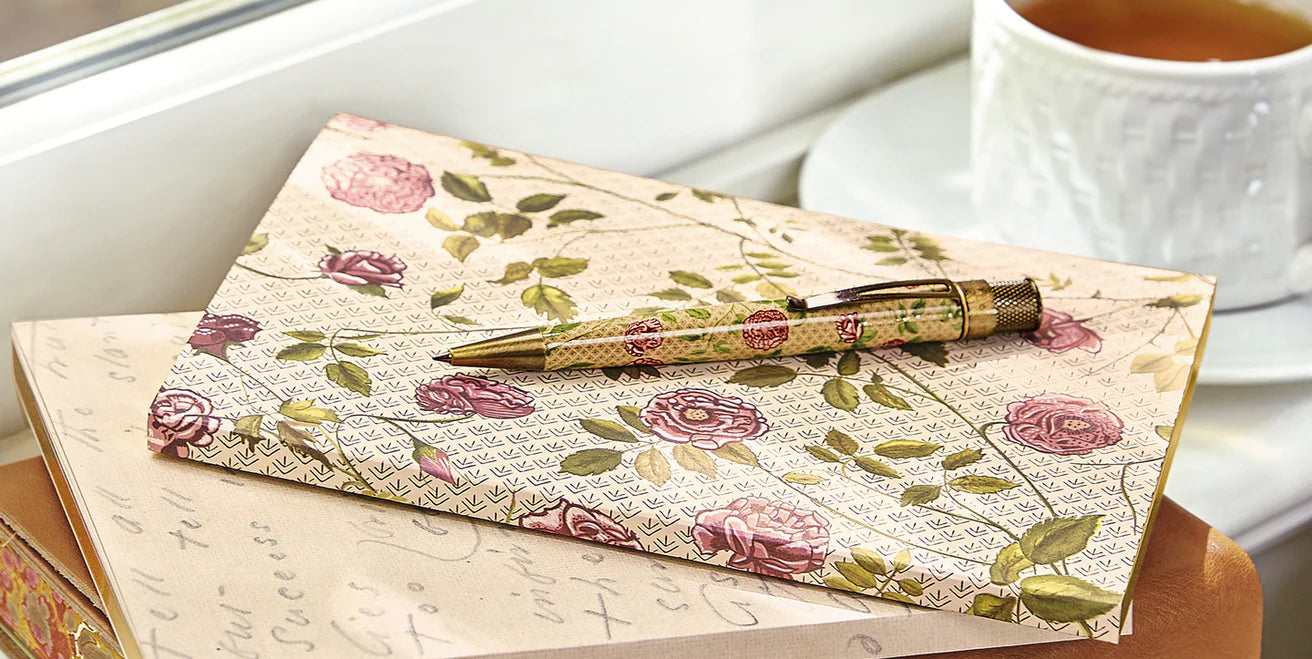
If you’re comparing planners today in the United States, you’ll see prices from about $10 up to $300. The difference isn’t just a prettier cover. As you move up in price you’re paying for thicker, smoother paper that respects your pens, modular systems you rebuild each year, and covers that last for years—not months. This guide gives you clear price tiers, explains exactly what more money buys, and shows when a luxury planner is worth it over a cheap one—plus practical ways to save, including stacking Levenger Rewards with Sale and Clearance. Levenger’s quality often outlasts expectations and, on many items, proves more cost‑effective over time, with great deals running year‑round.
The four price tiers of paper planners and agendas (with what changes at each step)
Tier 1: Under $30 — pads and basic bound agendas
Answer first: this is the lightest‑cost way to get organized now. Expect undated desk pads or simple stitched/spiral books. Paper is serviceable for ballpoint and gel, formats are fixed, and you replace the whole thing when it’s full.
If you want an actual planner at this price rather than a pad, these are the sub‑$30 options worth starting with.
- A dated year in one bound book, nothing to assemble: 2027 smartAgenda Notebook — a single stitched agenda for the whole year at $29.50, which is the cheapest way to own a real dated planner rather than a stack of pads.
- A complete refillable system at pad money: Circa Discbound Notebook Starter Kit — cover, discs and pages together for $21.50 in Junior or $26.50 in Letter, and the cover and discs carry over every year after that.
- Undated pages so nothing is wasted if you start in June: Circa Love, Marilyn Undated Agenda Notebook — a Midway agenda notebook at $20.45 for anyone who wants planning pages without a calendar year attached.
When you want to try layouts or keep a weekly glance without committing to a cover, a pad is perfect. Here are easy, low‑commitment entries that keep your spend under control while you test what you’ll actually use.
- Lightest way to explore daily, weekly, and monthly views: Daily–Weekly–Monthly Planner Pad Trio — it gives you undated tear‑off structure you can keep beside your laptop or on a family command center.
- Start a daily habit without changing your carry: Circa Modern smartPlanner To Do Refill (25 sheets) — it lets you try focused, list‑forward days on substantial paper, even if you’re not ready for a full agenda.
- Pin‑down priorities in one glance: Circa smartPlanner To Do, Letter (25 sheets) — it sits flat on a desk and helps you corral the day’s most important actions without buying a whole system.
Tier 2: $30–$60 — higher‑quality refills and entry modular systems
Answer first: at this tier you begin to buy better paper and the ability to rebuild. Pages are thicker and smoother, layouts more refined, and you can drop dated refills into reusable covers. This is often the best value point for professionals who want quality without committing to premium leather—yet.
These options let you keep what lasts (cover, discs, dividers) and replace only what changes (the year’s pages). The result: a nicer writing experience and room to grow.
- Weekly rhythm you can renew each year: 2027 Circa Modern smartPlanner Weekly Discbound Agenda Refill — it provides clean weekly spreads on thicker paper in sizes that fit your work style.
- Month‑at‑a‑glance for long‑range planning: 2027–2028 Circa Sunday Start 2‑Year Monthly Discbound Agenda Refill — it gives you two full years in one slim pack, ideal for travel, team calendars, and recurring deadlines.
- Sunday‑start monthly in Junior for portability: 2027–2028 Circa 2‑Year Monthly Agenda, Junior — it keeps future‑you organized without weighing down your bag.
- Vision‑driven planning you can start anytime: Circa Start‑Anytime Visions smartPlanner Agenda Refill aligns goals and weekly action, perfect when your year starts on your schedule.
Tier 3: $60–$120 — durable covers plus quality paper
Answer first: you’re buying longevity and a professional presence. Expect reusable covers with pockets and pen loops; modularity to evolve your setup each year; and paper that behaves beautifully with rollerball and fountain pens. Over a few years, replacing just the refill often becomes more cost‑effective than buying new bound planners annually.
Start with a kit that brings covers, discs, and a starter set of pages so you can build your planner around the work you do.
- All‑in first step into discbound: Circa Discbound Notebook Starter Kit assembles the essentials so you can start planning today and add dated pages as you go.
- Reusable transparency with a slim profile: Circa Translucent Discbound Notebook Covers (set of 2) create a light, modern shell you’ll reuse for years, swapping only the pages inside.
- Handsome ready‑to‑work setup without leather: Circa Simply Irresistible Discbound Notebook Set — it offers a complete, coordinated build that looks polished on any desk.
Tier 4: $120–$300 — complete luxury bundles and heirloom builds
Answer first: this is turnkey polish. These ensembles pair a refined leather cover with precision discs, tabbed dividers, and a dated weekly refill—often the most time‑saving route for executives and client‑facing roles. The system looks the part on day one and grows with you year after year.
- Boardroom‑ready weekly system out of the box: 2027 Circa Modern smartPlanner Weekly Agenda Notebook brings together a coordinated cover, discs, and weekly layout so you’re meeting‑ready the moment it arrives.
- Leather that earns a patina and stays in play for years: Circa Luxe Leather Discbound Notebook — it delivers a refined, durable shell; add the weekly or monthly refill you prefer and replace just the pages each year.
- Statement discs and a composed exterior: Agate Circa Notebook Discs (set of 11) elevate a luxury cover with jewel‑like hardware that still flips pages effortlessly.
What more money actually buys (the practical differences)
- Paper weight and behavior: Upgrading from basic stocks to thicker sheets markedly reduces show‑through and feathering with wetter inks. You’ll feel the nib glide and you’ll see cleaner lines, day after day.
- Refillability and lifespan: A modular, discbound agenda lets you replace only what changes—your year’s pages—while preserving covers, discs, and accessories for years of service.
- Capacity and comfort: Larger discs carry more sheets and turn pages more smoothly. Choose discs for what you truly carry in the next 90 days so flipping stays silky and the notebook stays slim.
- Cover longevity: Full‑grain leather, reinforced stitching, and robust hardware outlast thin cardboard or vinyl covers by years, not months—and look better doing it.
- Layout fidelity: Premium agendas invest in clean typography, tabbed navigation, and space‑efficient architecture that shortens your daily scan.
Cost‑per‑year: the most useful way to choose
Answer first: decide by total cost over time, not just the price at checkout. Here are straightforward U.S. examples that reflect current, representative pricing.
- Disposable bound book: A decent bound weekly planner around $30 per year totals about $90 over 3 years or $150 over 5 years. You replace the entire book annually.
- Refillable agenda (entry modular): Pair a durable discbound cover with an annual weekly refill in the $39.50–$59.50 range and keep the shell. In year one you buy the cover and refill; in later years you buy just the refill. Over 3–5 years you spend more than with disposables but gain thicker paper, expandable capacity, and a professional cover that still looks new.
- Daily specialist: A daily pack with 366 sheets around $29.95 gives you a full year of dated‑or‑structured daily focus on premium paper. Combine it with a reusable cover and right‑sized discs and you’re set for the long run.
The takeaway: if every dollar counts right now, a $10–$30 pad or a $30 bound book wins. If you want fountain‑pen‑friendly paper, adjustable capacity, and a lasting professional presence, a refillable system earns its keep the longer you use it. Many planners from Levenger deliver 5–10 years of service for the cover alone; cost‑per‑year then becomes compelling—especially when you stack Sale or Clearance pricing with Rewards points.
Sizes, specs, and compatibility at a glance
- Common U.S. planner sizes: Junior 5.5 × 8.5 in (about 140 × 216 mm) for portability; Letter 8.5 × 11 in (216 × 279 mm) for maximum writing room. Some systems also offer mid sizes for a larger canvas without going full Letter.
- Paper milestones: Thicker sheets improve legibility and ink control; premium refills are designed to resist bleed‑through under heavy use.
- Disc capacity (quick guide): Pick discs for what you’ll carry in the next quarter, not the whole year. If pages begin to drag, step up a size; if flipping feels airy, step down for a slimmer carry.
- Cross‑compatibility: Discbound paper typically migrates within disc systems, but ring, coil, and stitched books are not cross‑compatible with discs.
When a luxury planner is worth it over a cheap one
- Your ink matters: If you favor rollerball or fountain pens, thicker, smoother paper saves you from ghosting and feathering. That alone can justify the upgrade for note‑heavy users.
- You want to rebuild each year: Modular agendas let you keep your cover, discs, and dividers while swapping refills—more sustainable and more tailored to your season of work.
- You carry it into the room: For court hearings, boardrooms, and client pitches, a full‑grain leather agenda quietly communicates preparation and care—and it endures daily travel.
- You need capacity: Larger projects and reference material ride comfortably on bigger discs; your calendar, tasks, and notes can live in one book without feeling cramped.
- Longevity pays back: Over 5–10 years, a leather cover amortizes well—especially if you take advantage of Levenger’s frequent deals and Rewards.
Where a cheap planner or pad is the smarter buy
- Rough environments: Jobsites, labs, classrooms, and shared spaces can be hard on gear—use inexpensive pads you won’t baby.
- New to paper planning: Start with an under‑$30 pad to find your cadence before stepping up to a system.
- Single‑purpose needs: If all you need is a weekly glance on your desk, a simple pad may be perfect.
Real Levenger examples to help you decide
Answer first: a few well‑chosen pieces can meet nearly any use case—from try‑it‑now pads to structured daily focus to a boardroom‑ready weekly system. Levenger is known for higher‑quality materials that are worth it over years of use, yet the brand is often more cost‑effective than expected on many items and always has great deals across Sale and Clearance, with Rewards points softening the cost of refills each year.
Try layouts and build a habit without a big commitment
These picks help you experiment quickly, then upgrade only the parts that create value for you.
- Undated pads you can use at home or at the office: Daily–Weekly–Monthly Planner Pad Trio keeps structure visible without changing your carry system.
- Weekly freeform on discs when you’re ready to test modular: Circa Weekly Freeform Planner Discbound Refill lets you try a weekly cadence inside a reusable cover.
- Focused daily lists you can drop into any Circa: Circa Things To Do Discbound Refill (100 sheets) clarifies priorities and captures follow‑ups alongside your calendar pages.
Daily structure for task‑heavy schedules
If your workday generates many actions and time blocks, a daily view pays off in clarity. Pair a daily pack with a durable cover and right‑sized discs for a setup that stays comfortable even as projects grow.
- Color‑coded daily pages with notes space: Circa Vibrant Daily Planner Refill (366 sheets) — it provides a full year of dated structure with a dot‑grid back for sketches and scratch work.
- Find today instantly in a thick stack: Circa Discbound Notebook Page Finder (set of 2) snaps in and moves with you, so you always land on the right page.
- Start slim, scale up as projects expand: Black Circa Notebook Discs (set of 22) keep page turns smooth; step up in size only when your page count demands it.
Turnkey weekly agenda for professionals
The weekly view is the default for many leaders—wide enough to see the week, compact enough to carry. These choices deliver a composed look and a writing experience you’ll look forward to, with the option to personalize.
- Curated ensemble that’s meeting‑ready on day one: 2027 Circa smartPlanner Notebook Bundle — it pairs a refined cover, precision discs, and a weekly agenda so you can step into Monday fully prepared.
- Prefer to assemble the set yourself: 2027 Circa Modern smartPlanner Weekly Discbound Agenda Refill drops into any Circa cover; choose the leather and discs that match your style.
- Sunday‑start horizon at a glance: 2027 Circa Sunday Start Weekly Agenda Refill, Horizontal — it provides a classic weekly spread with weekend‑first planning.
Reader‑who‑owns‑everything: refine the system you already love
If you already have a trusted planner but crave a smoother page turn, a more elegant exterior, or specialty layouts that accelerate your week, consider these refined upgrades.
- Precision dividers that double as pockets: Circa Modern Discbound Notebook Pocket Dividers sort projects and carry loose notes so your weekly pages stay clean.
- Tabbed navigation without bulk: Circa Midway Clear Tab Dividers guide your hand to the right section and keep title visibility high.
- Beautiful hardware that still flips like silk: Modern Circa Notebook Discs (set of 11) give your daily driver a composed, premium feel.
- Visual interest and a soft landing for your notes: Circa Botanist Discbound Notebook — it turns everyday pages into a pleasure to open, ideal for client‑facing work.
- Showpiece exterior for an executive presence: Circa Luxe Leather Discbound Notebook — it pairs full‑grain leather with a structured interior that earns a patina as the years pass.
Disc sizes and page capacity: how to right‑size your agenda
Answer first: choose today’s capacity, not your “someday” stack. Heavier builds turn harder and make a book feel bulky; a well‑tuned agenda flips easily, writes flat, and tucks into a bag without strain.
- Everyday carry sweet spot: Mid‑sized discs are comfortable for most weekly users, with room for a month or two of context notes.
- Project mode: When your agenda gains research notes, training plans, or travel itineraries, step up disc size and archive completed sections into an at‑home notebook.
- Hardware that glides: Circa Clincher Discs (set of 11) keep pages moving smoothly so even a fuller build stays comfortable in hand.
Personalization, lead times, and gifting
Answer first: plan a short lead time if you opt to personalize a leather cover. Monogramming or name stamping usually adds approximately two business days before shipping. For holiday gifting in the U.S., consider carrier timelines and build in a buffer: place personalized orders at least a week before you need them in hand.
- Initials vs. full name: Initials keep the look restrained; full names are excellent for milestone gifts or professional recognitions.
- Card‑ready presentation: Many premium planners and bundles arrive gift‑boxed—useful for year‑end gifts to clients or teams.
- Returns policy: Non‑personalized items typically carry a generous return window, while personalized and final‑clearance items are usually not returnable—verify before you buy.
How to save without sacrificing fit (U.S. shopper checklist)
Answer first: Levenger often proves more cost‑effective than expected because you buy once for the long‑lasting pieces and then refresh the dated pages. Combine that with Levenger Rewards, and with Sale and Clearance rotations, and you can lower your cost‑per‑year while upgrading materials.
- Shop Sale and Clearance first: Seasonally, you can capture premium covers and discs at approachable prices, then add the exact refill you prefer.
- Use Levenger Rewards: Points earned on your system now help reduce the cost of next year’s refills—especially helpful for weekly and daily buyers.
- Start with what you’ll actually carry: A slim disc size with a weekly refill may outperform a maxed‑out build that becomes a desk‑only brick.
- Archive, don’t over‑carry: Keep 60–90 days of active pages with you and move completed months to a home notebook; your planner stays lighter and easier to love.
Frequently asked questions
Is a refillable planner really cheaper over time?
Often, yes. The initial year is higher because you buy a durable cover and hardware. In later years you replace only the refill—frequently $39.50–$59.50 for a weekly set—while keeping the long‑lasting pieces. Over three to five years many professionals find the writing experience and durability more than justify the difference.
What size should I choose—Junior or Letter?
Junior (5.5 × 8.5 in) is the mobility favorite for commuting and meetings; Letter (8.5 × 11 in) is best if you write large, use wide‑column task lists, or need to glue in handouts. Some users keep a Letter desk planner and carry a lighter Junior for meetings.
What if I prefer a daily page but don’t want a thick book?
Use a daily refill during heavy seasons and switch to a weekly during lighter months. Keep only the next 60–90 days in your carry, and archive the rest at home. A snap‑in page finder speeds retrieval even in a smaller disc size.
How do I know when to upgrade to a leather cover?
Three cues: you carry the planner into every room, you write with wetter inks that deserve smoother paper and a flatter lay, and you plan to keep a similar system for multiple years. In those cases, the comfort, durability, and quiet professionalism of leather are worth it.
What if I’m new to paper planning?
Begin with an under‑$30 pad or a slim weekly refill to test frequency and format. When you’re using it daily and know your preference, step into a reusable cover so the system can grow with you. For a structured start, see also what to put in your first planner.
Where can I learn whether Circa is worth it at my budget?
For a deeper dive on what you gain at each step, see Is Circa worth it? What you get at each price tier. It helps map features to spend so you can buy with confidence.
Why do some Levenger planners cost more?
Materials and manufacturing choices—thicker, smoother papers; precision discs; and full‑grain leathers—drive both the writing experience and lifespan. Learn more in Why Levenger Costs More: Materials, Manufacturing, and Lifespan.
Ready to choose? A simple path to the right planner
Start with what you’ll actually use next week. If you want the lowest outlay, try an undated pad or a slim refill. If you’re ready for better paper, flexible capacity, and a cover that will still look sharp in five years, choose a refillable system with a weekly or daily insert. Levenger balances quality with value—often more cost‑effective than expected—and always has strong deals running. When you’re ready, a few excellent options are below.
- Undated structure to try now: Daily–Weekly–Monthly Planner Pad Trio is the gentlest on‑ramp and a reliable desk companion.
- Full‑year daily focus: Circa Vibrant Daily Planner Refill (366 sheets) — it brings clarity to action‑heavy schedules.
- Turnkey weekly you’ll keep for years: 2027 Circa smartPlanner Notebook Bundle creates a composed, professional system that’s ready the day it arrives.
Call to action: Choose the format that fits this season of work, personalize your cover if desired, and enroll in Levenger Rewards to make next year’s refill even more cost‑effective. Your planner should feel as good to use as the results it helps you achieve.


