
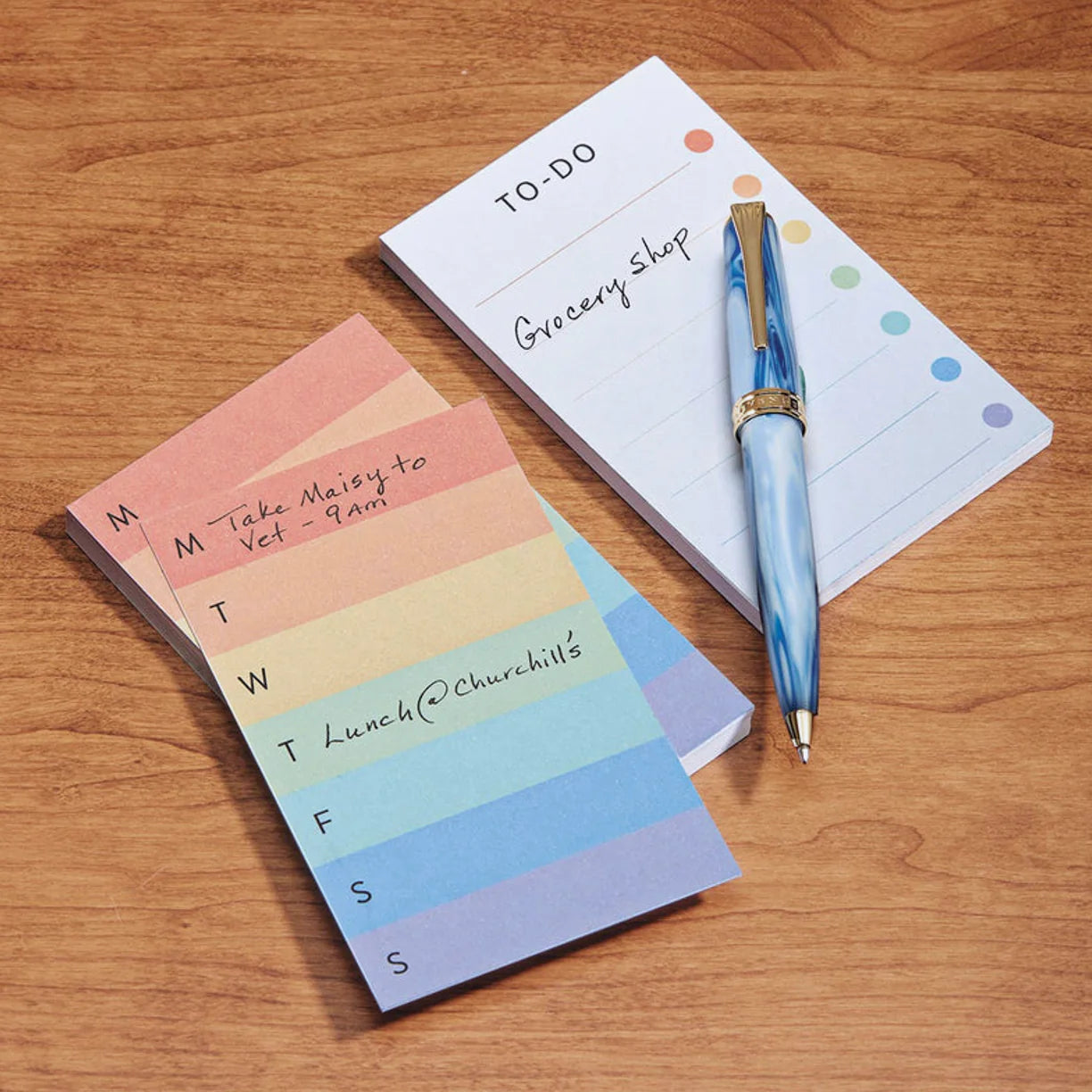
Good study tools don’t just hold information—they shape how you read, think, and review. This updated guide maps three dependable flows for class, self‑study, and professional development, using Levenger’s Circa refills and annotation formats to keep capture, annotation, and recall in sync. Levenger’s paper and builds are crafted to last, yet many refills and accessories remain cost‑effective—especially during site promotions and with loyalty rewards—so you can assemble a study kit that feels refined without overspending.
How to Choose Your Study Flow
Start with context: where you study (U.S. lecture halls, campus libraries, dorms, or commutes), how fast you write, and how often you need to reorganize notes. If you’re new to Circa, Start Here: Build Your First Circa in 10 Minutes walks through sizes and disc choices so your system starts on the right foundation.
Three Reliable Study Setups
Use this compact matrix to compare study setups. Pick based on where you learn, how you annotate, and how often you review.
| Setup | Ideal For | Annotation Style | Mobility | Tradeoffs |
|---|---|---|---|---|
| Quick‑Capture Reporter | Lectures, office hours, field notes | Fast bullets with a narrow cue column | Excellent—handheld or on a small desk | Not a full planner; archive weekly to avoid overstuffing |
| Deep‑Reading Pad + Binder | Textbook chapters, articles, case studies | Wide margin for keywords, questions, and summaries | Good—pad at the library, binder back at your desk | Two pieces to carry; file pages after each session |
| Discbound Master Notebook | Multi‑course terms, research projects | Annotation sheets + planner refills + project pages | Very good—modular and rebuildable each term | Needs light maintenance: periodic review and refiling |
Setup 1: Quick‑Capture Reporter
For sprint notes—fast lectures, lab walk‑throughs, or interviews—a reporter‑style pad keeps your hand steady and your eyes forward. The narrow cue column makes action items pop when you scan later, and the top‑flip format is friendly in tight rows and for left‑handed writers. For long‑term durability, the leather cover of the Circa Bomber Jacket Leather Memo Steno Pad flips easily and tolerates daily carry. If you prefer a lighter metal‑accent look, the streamlined Circa Sliver Memo Steno Pad offers the same reporter usability in a LevTex cover—an elegant, cost‑effective choice for everyday campus travel.
When the page fills, park decisions. Star anything that needs follow‑up, then once a day migrate tasks into your planner or course notebook. A simple weekly overview like the flexible Circa Weekly Freeform Planner Discbound Refill (100 sheets) makes it easy to map due dates and lab milestones right next to your notes.
- Circa Bomber Jacket Leather Memo Steno Pad — Top-flip reporter pad with durable leather cover for fast, pocketable note capture and cue-column scanning.
- Circa Sliver Memo Steno Pad — Lightweight LevTex-covered memo steno pad that flips easily for tight rows and quick capture.
- Circa Weekly Freeform Planner Discbound Refill (100 sheets) — Use weekly freeform planner sheets for mapping five key dates and short weekly study plans.
- Wired Reporter Notebook Pads (set of 2) — Extra set of reporter-style pads for backups or multi-course rotation during fast note capture.
Setup 2: Deep‑Reading Pad + Binder
Reading to learn requires annotation that slows you just enough to think—keywords in the margin, questions you’ll raise in seminar, and a one‑sentence takeaway per section. Annotation‑ruled pages were made for this. Many readers like the spacious feel of a desk pad at the library, then file keepers in a binder or course folder at home. For that margin‑first format in a classic pad, see the Freeleaf Annotation Ruled Pads. If you prefer color to signal sections or energy levels, the gradient‑tinted Circa Vibrant Gradient Annotation Ruled Discbound Refill (100 sheets) uses a left‑hand margin compatible with Cornell‑style note‑taking.
Tip for U.S. campuses with weekly reading loads: pair your pad with a simple three‑ring insert for long‑term courses, using 100‑sheet 3‑Ring Annotation Ruled Refills. File readings by week (Week 1–15), and add a brief summary at the front of each section so exam prep becomes skimming, not reconstructing.
If you’re tuning paper by pen type, Pen Pairings for Circa outlines practical matches for pencil, rollerball, gel, and fountain pens, while Paper That Performs helps you choose refills for dense reading vs. problem sets.
- Freeleaf Annotation Ruled Pads (set of 5) — Annotation-ruled pad set designed for margin-first notes and one-sentence takeaways per section.
- Circa Vibrant Gradient Annotation Ruled Discbound Refill (100 sheets) — Gradient-tinted annotation refill for color-coded sections and left-hand margin emphasis.
- 3-Ring Annotation Ruled Refill (100 sheets) — Three-ring 100-sheet annotation refill for filing long-form reading notes by week or theme.
- Bomber Jacket Leather Freeleaf Pad Backer — Leather pad backer that converts a desk pad into a durable folio for filing and long-term storage.
Setup 3: Discbound Master Notebook
When your semester or certificate course spans multiple subjects, a modular Circa system lets you mix annotation pages, planners, and project templates—then rebuild between terms. Think of it as a portable study desk: capture, plan, and archive in one place. Many learners start with annotation‑ruled refills for class notes, add a weekly planner view for deadlines, and tuck in a project template for research deliverables. For project sprints and brainstorming, the structured prompts in the Circa Idea Download Refill (100 sheets) help you move from scattered highlights to next steps quickly. For semester mapping, the comprehensive Circa Daily/Weekly/Monthly Planner Refill brings dates, tasks, and notes into one rebuildable framework.
New to disc sizes and capacities? Circa Sizes Explained: Jotlet, Compact, Junior, Midway, Letter—Which Fits Your Day? will help you choose a footprint that fits your backpack and desk. If you work across studios, libraries, and flights, Circa On the Go shares pack‑light options and folio ideas.
- Circa Idea Download Refill (100 sheets) — Structured refill to capture project prompts and move from highlights to next steps quickly.
- Circa Daily-Weekly-Monthly Planner Refill — Planner refill that provides daily, weekly, and monthly views for semester-long organization.
- Circa Project Planner Discbound Refill (100 sheets) — Project-planner refill offering templates for research deliverables and milestone tracking.
- Circa Annotation Ruled Discbound Notebook — Discbound notebook with annotation-friendly layout for mixing class notes and templates.
- 2027 Circa smartPlanner Weekly Agenda Discbound Notebook — Weekly agenda notebook to slot deadlines and integrate with planner refills across the semester.
Practical Annotation Techniques (Cornell‑Friendly)
- Read with purpose: Jot a one‑line question at the top before you start. Use the margin to collect answers and contradictions as they appear.
- Mark reasoning, not just facts: Circle the author’s claim; square the evidence you’ll quote. Reserve the bottom of the page for a two‑sentence summary you could teach aloud.
- Color as context, not decoration: Assign a color to units or problem types. The tinted pages in the Circa Vibrant Gradient Annotation Ruled Discbound Refill (100 sheets) help visually separate sections during finals.
- Weekly sweep: Once a week, skim only your margin cues. If an item still matters, convert it to a dated task or flashcard; if it’s resolved, archive.
- Circa Shaded Annotation Ruled Discbound Refill (100 sheets) — A shaded margin marks the annotation lane without you ruling one every page.
- Circa Page Finder Discbound Notebook Tabs (set of 4) — Tabs at the current reading and the current lecture, so the weekly sweep starts in the right place.
From Notes to Memory: Review Routines
Retention improves when review is brief and spaced. A simple cadence works:
- End‑of‑day skim: Re‑read only your margin cues. Add a single sentence that captures the day’s theme.
- Weekly map: On Sunday, plan problem sets, readings, and study groups in your planner (the flexible layout of the Circa Weekly Freeform Planner Discbound Refill (100 sheets) makes this quick).
- Pre‑exam distill: Pull just the toughest concepts into a compact memo pad such as the Circa Leather Memo Pad to carry during the week of the exam.
For longer projects or capstones, see Creative & Research Workflows for ideas that combine index cards, dividers, and project boards, and Maintenance & Refresh for tidy end‑of‑term archiving. If you blend tablet note‑taking with paper, Digital + Analog Harmony shows simple scan‑and‑sync routines.
Study Comfort and Accessibility
Comfort is part of comprehension. Left‑handed writers often prefer top‑flip formats; the reporter‑style build of the Circa Stenographer Pad Refill (100 sheets) keeps binding out of the way and uses Gregg ruling on sturdy 120‑gsm paper. For pen grip, notebook weight, and page layout tips, visit Accessibility & Ergonomics: Weight, Balance, Left‑Handed Tips, and Page Layouts. If discs ever snag or pages show wear, Troubleshooting: Disc Snag, Page Wear, Punch Alignment, and Quick Fixes offers quick fixes.
Carrying less between buildings
Black Circa Notebook Discs (set of 22) — plastic discs cut the weight of a full-term notebook substantially, which matters more across a campus than at a desk.
Value, Deals, and Smart Upgrades
- Build for fit, then save: Configure a lean system first, then explore Build Your Own Bundle: How to Maximize Savings Without Sacrificing Fit to combine refills you’ll actually use. Levenger frequently offers promotions, and bundles can be more cost‑effective than one‑off restocks.
- Step‑up materials wisely: If you carry your notebook daily, upgrading covers or discs is a longevity choice, not just a luxury. For common pathways—moving from junior to letter or from plastic to aluminum—see Common Upgrades and Discs Demystified.
- Loyalty over the long term: Many products qualify for rewards points, and periodic site deals help keep refill costs reasonable across the semester. For goal‑oriented study blocks, Circa for Goal Setting shows simple ways to track habits and milestones using the same refills.
- Circa smartPlanner Multi-Focus Bundle — Bundle of smartPlanner tools designed to combine refills and planners for cost-effective setup.
- 2027 Circa smartPlanner Notebook Bundle — Full notebook bundle that bundles core refills and covers to save on an initial system build.
- Canvas Analog Companion Folio Bundle — Folio bundle that pairs an analog companion with refill storage for a durable daily carry upgrade.
Example Kits
Light Lecture Kit
- Capture: Circa Sliver Memo Steno Pad rides easily in a backpack and flips quickly in tight rows.
- Plan: Map five key dates each week on the Circa Weekly Freeform Planner Discbound Refill (100 sheets).
- Review: Summarize to a single card per class in your memo pad for spaced recall.
Reading‑Heavy Seminar Kit
- Annotate: Freeleaf Annotation Ruled Pads for margin‑first notes and end‑of‑page summaries.
- File: Long‑term storage with 100‑sheet 3‑Ring Annotation Ruled Refills by week or theme.
- Discuss: Pull three margin questions per reading to bring to seminar.
Research & Project Kit
- Structure: Circa Idea Download Refill (100 sheets) to break a project into definitions, decisions, and next actions.
- Plan: Use the Circa Daily/Weekly/Monthly Planner Refill to schedule literature reviews, data collection, and drafts, then rebuild your notebook at midterm using Maintenance & Refresh.
- Carry: If you move between classes and libraries frequently, see Circa On the Go for secure, travel‑light options.
- Freeleaf Weekly Freeform Planner Pads (set of 2) — Freeleaf weekly freeform planner pads for mapping five key dates each week in a light lecture kit.
- Circa Leather Memo Steno Pad — Pocketable leather memo steno pad for quick in-class summaries and spaced-recall review cards.
Frequently Asked Questions
Is annotation‑ruled paper the same as the Cornell method?
It’s Cornell‑friendly. Annotation‑ruled formats include a left margin for cues and a main note field, which mirrors Cornell’s structure, so you can write questions and keywords at left and full notes at right. Products like the Circa Vibrant Gradient Annotation Ruled Discbound Refill and the 3‑Ring Annotation Ruled Refills explicitly note this compatibility.
Reporter pad or discbound notebook—which should I carry on a long lecture day?
Choose a reporter pad if you’ll stand or sit in tight rows and need quick flips with minimal desk space; the Circa Bomber Jacket and Sliver memo steno formats are optimized for that role. Choose a discbound notebook if you’ll integrate planning pages, project sheets, and course dividers in one place and reorganize often.
What paper weight works well for highlighters and gel pens?
Levenger study refills commonly use sturdy 100–120 gsm stock. The Weekly Freeform Planner and many steno/annotation refills note substantial paper weights designed to resist show‑through during everyday use. For pen‑by‑paper guidance, see Pen Pairings for Circa and results from Paper Performance Lab.
How do I keep a discbound notebook from getting bulky mid‑semester?
Set a weekly review: archive finished readings to a binder (3‑ring refills are an easy match), keep only current weeks and active projects in your Circa, and schedule a midterm rebuild using the checklists in Maintenance & Refresh.
Next Steps
Pick one setup to pilot for two weeks. If it sticks, add a planner view or project template; if it doesn’t, adjust the footprint using Circa Sizes Explained. For learners who split time between paper and tablet, Digital + Analog Harmony shows low‑friction capture and scan routines. When it’s time to boost study habits, visit Circa for Goal Setting. Your kit can stay elegant, practical, and—thanks to periodic deals and rewards—surprisingly budget‑friendly across the academic year.
Author: Maya Chen, Learning Strategist. Maya designs study systems for undergraduate honors programs and executive‑education cohorts, blending reading science with pragmatic planning.


