
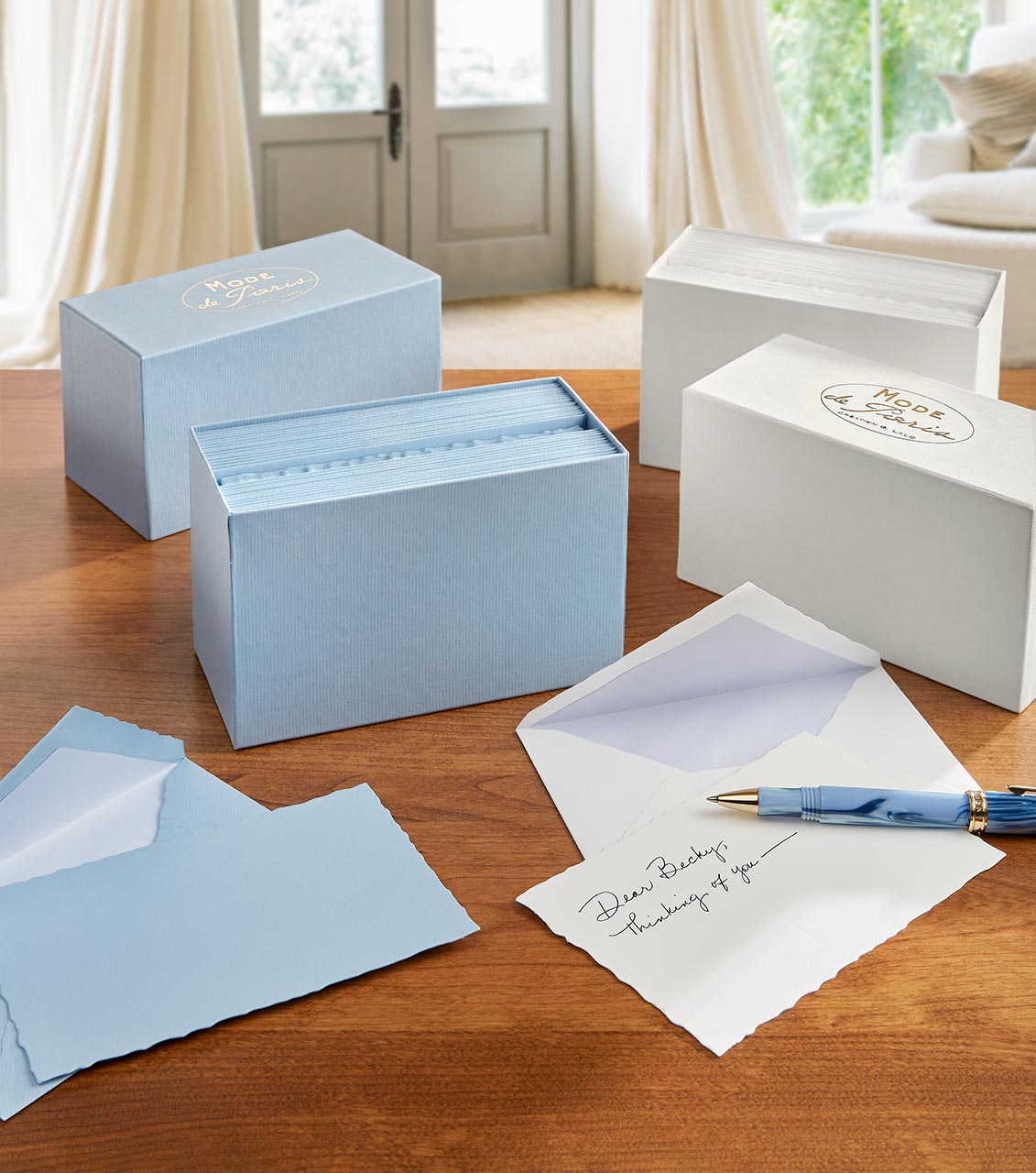
A handwritten note carries a distinct kind of weight. It asks us to pause. To choose our words carefully. To leave behind something tangible that can be held, reread, and treasured long after it arrives. The curve of a familiar hand, the slight impression of ink on paper, even the occasional crossed-out word reminds us that another person sat down and devoted time to the simple act of reaching out. In a culture that often values speed above all else, handwriting feels refreshingly human.
The renewed interest in letter writing reflects something larger than nostalgia. It speaks to a growing desire for authenticity, mindfulness, and meaningful connection. From young adults discovering the pleasures of snail mail to lifelong correspondents preserving cherished traditions, people are embracing handwritten communication as both a personal ritual and a creative expression.
In this guide, we'll explore what makes handwritten letters so enduring, why they continue to resonate in a digital world, and how their emotional, cultural, and artistic value offers a compelling reminder that some forms of communication are worth slowing down for.
The Emotional Impact of Handwritten Letters
The unique characteristics of a person's handwriting, from the shape of the letters to the occasional crossed-out word, create a sense of presence that digital communication cannot easily replicate. A letter feels less like information being delivered and more like a conversation being shared.
That personal touch often creates a stronger emotional connection between sender and recipient. Whether expressing gratitude, celebrating a milestone, or simply checking in, handwritten letters tangibly communicate care. Unlike digital messages that can disappear into crowded inboxes, letters are often saved, reread, and treasured for years. They become keepsakes that preserve memories and relationships, offering comfort long after they are received.
The emotional benefits can affect the writer as well. Studies on expressive writing have found that putting thoughts and feelings on paper can help reduce stress, improve mood, and support emotional processing. Writing by hand encourages a slower, more reflective pace, allowing people to engage more thoughtfully with their emotions. Some psychologists suggest that this deliberate process can promote mindfulness, helping writers feel more present and focused.
Research has also shown that handwriting activates brain regions associated with memory, learning, and emotional processing. Because writing by hand requires greater cognitive engagement than typing, it often leads to deeper reflection and more meaningful communication. In an era defined by speed and convenience, the handwritten letter offers something increasingly valuable: a lasting reminder that genuine human connection is worth taking the time to create.
Nostalgia and the Personal Stories of Letter Exchanges
Handwritten letters have a remarkable ability to transport us back to a particular moment, making them powerful vessels for memory and nostalgia. Letters often outlive the occasions that inspired them, becoming tangible records of relationships, milestones, and everyday moments that might otherwise have faded from memory.
Personal stories of letter exchanges often inspire others to pick up a pen themselves. A cherished letter from a parent may encourage someone to begin writing to their own children. A collection of correspondence passed down through generations can spark a renewed appreciation for preserving family history. In this way, letter writing traditions continue not because they are old, but because they remain meaningful.
The stories behind handwritten letters remind us that communication is about more than conveying information. It is about creating connections that endure. Long after the details of a conversation have faded, a handwritten letter can remain as proof that, for a moment in time, one person paused to write and another paused to read.
Cultural Significance and Historical Traditions of Letter Writing
Long before instant messages, letters connected families, communities, and nations. Across cultures, they have carried news, preserved personal histories, marked milestones, expressed love and sympathy, and helped people maintain relationships across distance. In many societies, letter writing became more than communication. It became a gesture of respect, care, and remembrance.
Letters have also shaped how we understand history. Personal correspondence from leaders, writers, artists, soldiers, and everyday people offers a vivid record of past events and private lives. Unlike brief digital messages, handwritten letters often preserve tone, emotion, and context, turning history into something intimate and human.
Preserving letter writing traditions matters because they encourage patience, reflection, and meaningful connection. As digital communication grows faster and more fleeting, handwritten letters remind us that some messages deserve time, attention, and a lasting place in someone’s hands.
The Artistic Value: Calligraphy and Letter Writing as an Art Form
Long before fonts and keyboards standardized the written word, handwriting reflected individuality, craftsmanship, and care. This artistic dimension is part of what makes letter writing so enduring. The shape of the letters, the flow of the ink, and the composition of the page all contribute to the experience of reading a handwritten note.
Calligraphy elevates this tradition even further. Often described as the art of beautiful writing, calligraphy transforms words into visual art through intentional strokes, spacing, and design. While rooted in centuries-old traditions, modern calligraphy has found a new audience through workshops, online classes, and creative communities that celebrate the handwritten word. From elegant invitations to personal correspondence, calligraphy adds a sense of occasion and artistry that digital text rarely achieves.
The appeal extends beyond formal calligraphy. Even simple handwritten notes carry a visual warmth that reflects the writer's personality and attention to detail. Whether practicing modern lettering techniques or simply taking time to write thoughtfully by hand, people are rediscovering the creative satisfaction of putting pen to paper. In an increasingly digital world, letter writing remains one of the few forms of communication that is both deeply personal and quietly artistic.
Handwritten Letters in Modern Relationships and the Workplace
During this digital era, a handwritten note has become one of the most meaningful ways to stand out. In personal relationships, handwritten letters and cards communicate a level of care that a quick text message rarely can. Whether exchanged between partners, family members, or close friends, these notes create lasting keepsakes that can be revisited for years. The time and attention required to write by hand often make the message feel more thoughtful, strengthening emotional connections and helping important sentiments linger long after they are read.
The same principle applies in professional settings. While email remains essential for day-to-day communication, handwritten notes are often used to express appreciation, celebrate achievements, or strengthen business relationships. A handwritten thank-you note following a meeting, interview, or collaboration can leave a memorable impression because it demonstrates effort and sincerity. In a crowded digital landscape, that personal touch often stands out.
Modern examples of letter writing can be found everywhere, from executives who send handwritten thank-you notes to clients, to teams that recognize employees with personal messages of appreciation. These gestures may be simple, but they carry weight. They remind us that whether in our personal lives or professional relationships, thoughtful communication remains one of the most effective ways to build trust, foster connection, and make people feel valued.
Preserving and Reviving the Tradition of Letter Writing
Preserving the tradition of letter writing begins, quite simply, by practicing it. A note of thanks, a birthday letter, a few lines sent to a faraway friend. These small acts keep the custom alive by returning it to daily life. Around the world, letter-writing clubs, pen pal groups, calligraphy workshops, and online communities are helping people rediscover the pleasure of slow correspondence, turning snail mail into both a personal ritual and a shared cultural revival.
The tools matter, too. Fine paper, envelopes, fountain pens, stationery, and even wax seals invite a sense of occasion. They remind us that a letter is not only written but made. For aspiring letter writers, these traditional materials can make the experience feel more thoughtful and enjoyable, while calligraphy classes and modern lettering tutorials offer ways to bring artistry and confidence to the page.
To begin, keep it simple. Choose one person to write to this week. Share a memory, offer thanks, or tell them something you might otherwise send in a fleeting text. Keep stationery within reach, collect addresses, and make letter writing part of a monthly routine. Traditions endure when they are used, and every handwritten letter becomes one more small, beautiful argument for slowing down.
Integrating the Joys of Handwritten Letters in the Digital Age
As we've seen throughout this exploration, handwritten letters offer emotional depth, cultural significance, and artistic value that digital messages often struggle to replicate. They strengthen relationships, preserve memories, inspire creativity, and create lasting records of the people and moments that shape our lives. Their enduring appeal lies not only in what they say, but in the care and intention behind how they are written.
Emails and text messages serve an important purpose, but some messages deserve the extra time and attention that only pen and paper can provide. A heartfelt thank-you note, a letter to a loved one, or a simple message of encouragement can carry a meaning that extends far beyond the words themselves.
Ready to revive the art of letter writing? Discover Levenger’s collection of thoughtfully designed tools for writing, from fine pens to premium stationery, and create correspondence worth sending and saving. Whether you're writing a heartfelt note, building a journaling habit, or reconnecting through snail mail, the right tools can make every letter a pleasure to write.