
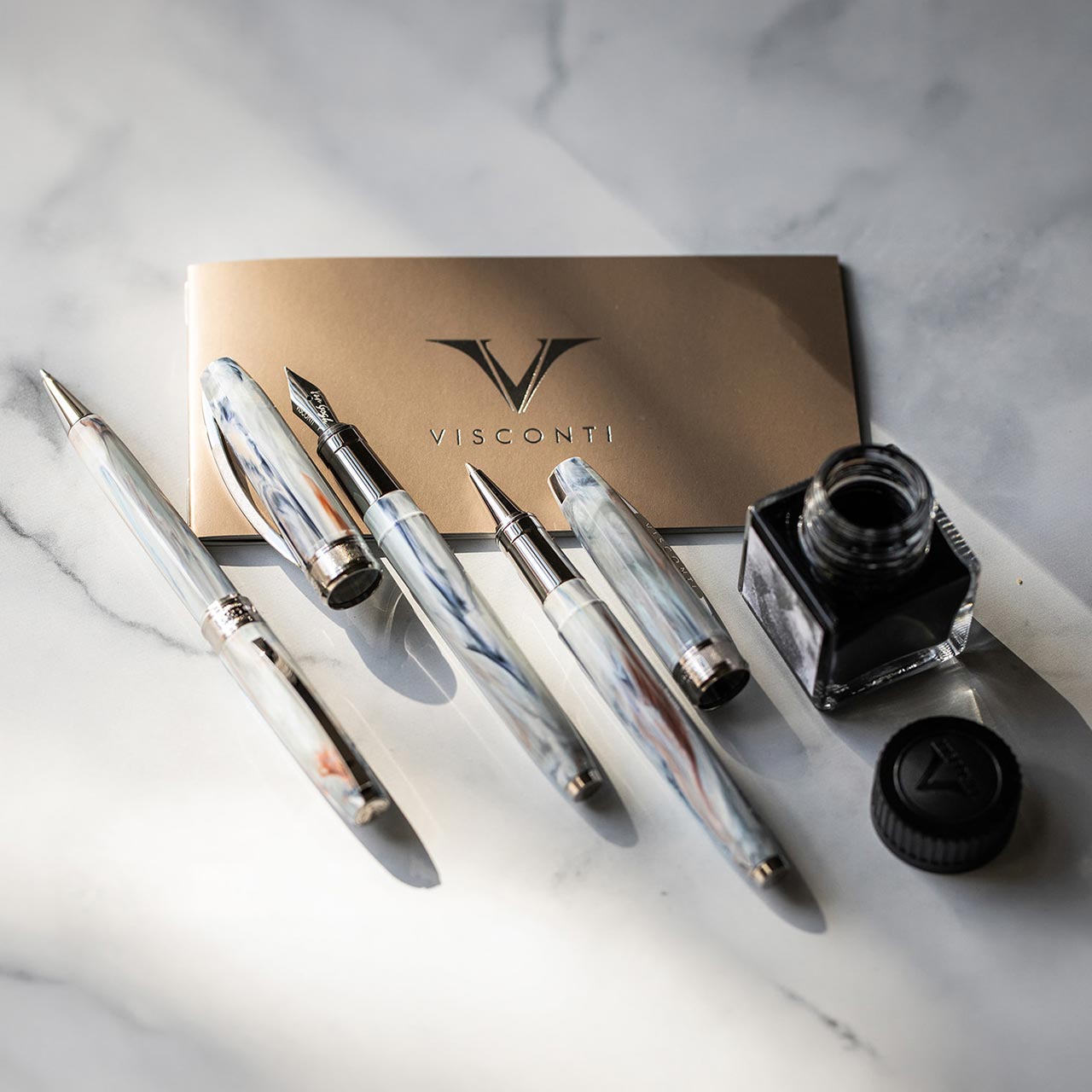
Modern pens are designed to support a wide range of needs, from everyday writing and professional tasks to artistic and technical applications. Common types of pens include ballpoint pens, known for their reliability and quick-drying ink; rollerball pens, valued for their smooth writing experience; gel pens, popular for vibrant ink colors and fluid lines; and fountain pens, admired for their elegance and precision. Over time, innovations in ink technology, comfort, and design have transformed pens into versatile tools that combine functionality with personal style.
Pens continue to play a vital role in education, business, and creative fields. This article explores the different types of pens available today, their unique features and benefits, and the reasons why writing instruments remain essential in daily life despite the growth of digital technology.
Ballpoint Pens: The Everyday Essential
First introduced in the 20th century as an improvement over fountain pens, ballpoint pens use a small rotating metal ball at the tip to transfer oil-based ink onto paper. As the ball rotates while writing, it draws ink from the cartridge and distributes it evenly across the page. This simple yet effective mechanism allows ballpoint pens to write smoothly while minimizing smudging and ink leaks, making them ideal for everyday use in schools, offices, and homes.
One of the biggest advantages of ballpoint pens is their durability and long-lasting ink supply. Because they use thicker, oil-based ink, ballpoint pens tend to dry quickly and perform well on different paper types. They are also typically more affordable than fountain pens or rollerball pens, making them a practical choice for students, office workers, and anyone who writes frequently.
However, some users find that the thicker ink requires more pressure when writing, which leads to hand fatigue during long writing sessions. Compared to gel or rollerball pens, ballpoint pens may also provide a less fluid writing experience.
Despite these minor drawbacks, ballpoint pens remain among the best because of their versatility and dependability. They are commonly used for note-taking, paperwork, journaling, and general writing tasks where clean, quick-drying ink is important. Many modern ballpoint pens also come in retractable, refillable, and ergonomic designs, offering added comfort and convenience.
Fountain Pens: Classic Elegance and Performance
Unlike ballpoint or gel pens that rely on thick ink and pressure-based writing, fountain pens use water-based liquid ink delivered through a nib and feed system. The nib, typically made from stainless steel or gold, controls the ink flow while the feed regulates the amount of ink reaching the paper. This design allows fountain pens to write with minimal pressure, creating a fluid and comfortable writing experience that many enthusiasts and professionals prefer. Fountain pens are also commonly associated with elegance, making them popular for journaling, signatures, calligraphy, and professional correspondence.
One of the biggest advantages of fountain pens is the unique writing experience they provide. The smooth ink flow allows for cleaner lines and less hand fatigue during long writing sessions.
Many users appreciate the ability to customize their writing style by selecting different nib sizes and ink colors. Fountain pens are also refillable, making them a more sustainable and cost-effective option over time compared to disposable pens. However, fountain pens do require regular maintenance, including cleaning the nib and feed to prevent ink clogs. Because they use liquid ink, they may also be more prone to smudging or leaking if handled improperly. Despite these challenges, many writers find the comfort, precision, and personal connection of using a fountain pen worth the extra care.
Rollerball Pens: Smooth and Vibrant Writing
Rollerball pens use water-based or gel-based liquid ink that flows more freely across the page. This allows writers to create darker, more consistent lines with less pressure, making rollerball pens a popular choice for professionals, students, and creatives alike. Their precise ink delivery and fluid motion often make them feel like fountain pens while offering the convenience of a modern pen design.
Their thinner liquid ink produces bold colors and sharp lines that stand out on paper, making these pens ideal for note-taking, journaling, professional documents, and artistic projects. Many artists and designers also favor gel-based rollerball pens because of their vibrant color options and smooth application. Rollerball pens generally provide greater writing comfort and reduced hand fatigue during long writing sessions.
In professional settings, they create polished, legible handwriting that works well for signatures, correspondence, and presentations. Students often prefer rollerball pens for classroom note-taking because the smooth ink flow allows for faster writing with less strain. In creative fields, gel and rollerball pens are commonly used for sketching, coloring, and detailed illustrations because of their vivid ink and precise lines.
Despite their advantages, rollerball pens do have a few drawbacks. Because they use water-based ink, they can take longer to dry than ballpoint pens, increasing the risk of smudging, especially for left-handed writers. The thinner ink also tends to run out more quickly, meaning rollerball pens may require more frequent refills or replacements. However, many users find that the enhanced writing quality, bold color saturation, and overall comfort outweigh these limitations.
Specialty and Other Pens
Specialty pens are designed for creative, technical, and professional tasks that require more precision or artistic flexibility than standard writing instruments. Some of the most popular types include:
- Calligraphy Pens: Designed with broad or flexible nibs for decorative lettering, invitations, and elegant handwriting styles.
- Brush Pens: Feature flexible brush-like tips that are ideal for hand lettering, illustration, and modern calligraphy techniques.
- Technical Pens: Commonly used by architects, engineers, and designers for precise drafting and detailed line work.
- Fineliner Pens: Offer consistent, thin lines that work well for sketching, outlining, journaling, and detailed artwork.
- Gel and Paint Pens: Known for vibrant colors and smooth ink flow, making them popular for crafts, scrapbooking, and creative projects.
- Stylus Pens: Combine traditional writing with touchscreen compatibility for digital note-taking and device navigation.
These specialty pens support a wide variety of artistic and professional applications, helping users achieve greater precision, creativity, and personalization in their work.
Choosing the Right Pen for You
Different pens offer unique writing experiences, so selecting the best option often comes down to personal preference and the tasks you perform most often.
The best pen for each user group varies based on writing style and purpose. Students often benefit from lightweight ballpoint or gel pens that allow for quick, comfortable note-taking during long classes. Office workers may prefer rollerball or premium ballpoint pens for professional documents, meetings, and daily organization. Artists, designers, and crafters typically choose brush pens, fine liners, or technical pens that support detailed creative work and expressive techniques. Grip design also plays an important role, especially for individuals who write for extended periods, as ergonomic grips can reduce hand fatigue and improve comfort.
Proper maintenance and storage can significantly extend the lifespan of pens and improve writing performance. Pens should be stored with caps securely closed or retracted to prevent ink from drying out. Keeping pens in protective cases or organizers can help prevent damage to tips and barrels, especially for premium writing instruments. For long-term reliability, many users choose refillable pens that combine sustainability with consistent performance. By understanding your writing habits and caring for your pens properly, you can select writing instruments that provide comfort, durability, and a better overall writing experience.
Explore Quality Pens for Every Writing Style
As writing instruments continue to evolve, modern pens now combine traditional craftsmanship with innovative materials, ergonomic designs, and sustainable refill systems. Even in a digital world, pens remain essential tools for communication, creativity, organization, and self-expression. Whether you are searching for reliable everyday writing tools or premium writing instruments that elevate your experience, investing in high-quality options can make a noticeable difference in comfort and performance.
If you are ready to find the perfect writing instrument for work, school, journaling, or creative projects, explore a wide selection of Levenger's quality pens, that are designed to match every writing preference and need.