


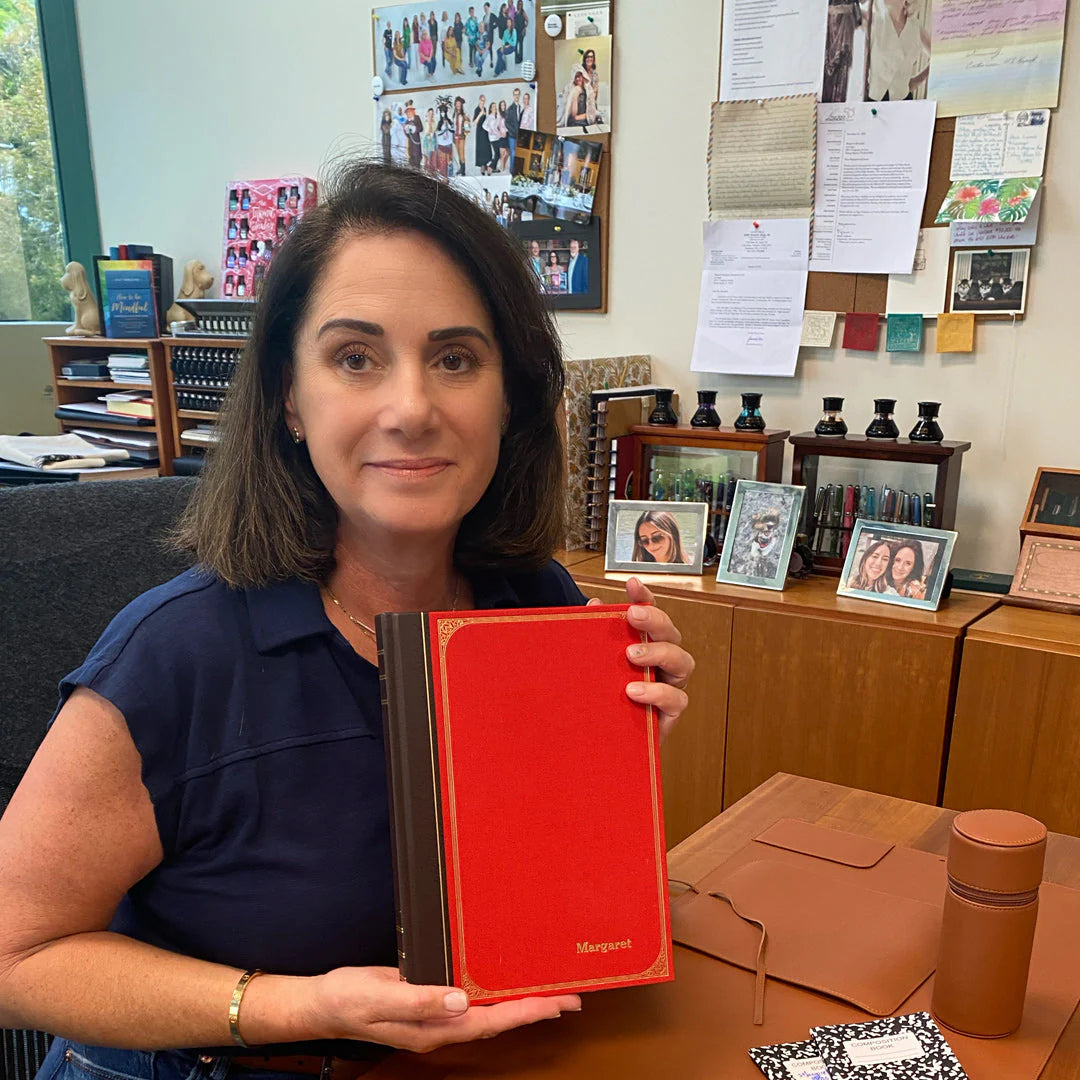
Well‑chosen leather goods do more than carry what you need—they help you work with quiet confidence. The right folio keeps your notes crisp when a conversation turns into a whiteboard session. A slim portfolio turns a nervous lobby wait into a few focused minutes of review. And a travel‑ready kit means your routine stays intact, even when your flight doesn’t. This guide brings those decisions together: how to choose between a padfolio and a portfolio, when a zip folio or bag makes more sense, how to assemble an everyday carry that fits your week, and how to care for leather so it ages beautifully instead of just aging.
Start with purpose: What do you carry, and why?
Before comparing styles and leathers, list the non‑negotiables you carry in a typical week. Most professionals can sort their kit into three categories:
- Note‑taking core: pad or notebook, primary pen, a few cards, and 2–3 loose pages you reference often.
- Presentation set: resumes or leave‑behinds, client briefs, and a second pen or highlighter—kept perfectly flat.
- Travel routine: ID, transit cards, phone, chargers, and the medications or supplements you rely on daily.
Those categories map cleanly to the carry choices below. Keep your list nearby as you read—your kit will tell you which path to follow.
Leather 101 for everyday carry
Leather’s appeal is tactile and visual, but the finish and structure determine how well it holds up in bags and meeting rooms. Here’s what matters for portfolios, folios, and daily pouches.
Finish and feel
- Full‑grain with a natural or semi‑aniline finish develops character and softens with use. Expect patina; minor scuffs buff out with a soft cloth and a touch of conditioner. Great for folios and bags you’ll touch often.
- Corrected‑grain with a protective coating resists stains and offers a more uniform look. It’s practical for lighter colors and high‑touch travel pieces. The tradeoff is a bit less patina over time.
Structure and protection
- Board‑reinforced covers keep documents crisp, important for interviews and client decks.
- Zip‑around closures contain receipts, USB drives, and cards—ideal when you’re moving between conference rooms or through security checkpoints.
- Open folios with disciplined pocketing are faster to access on the table; nothing unzips or flops when you only need your pen and pad.
Size standards: Letter vs. A4
In the United States, most interviewers expect a Letter‑size pad (8.5 × 11 in). Many client‑facing teams use A4 internationally (210 × 297 mm). If you work across regions, choose a folio that accepts both or verify the insert size before you buy. If you’re planning to hand over printed materials, bring spares in the same format you used to design the pages.
Padfolio, portfolio, zip folio, or bag?
Each format suits a different kind of meeting rhythm. The table below compares them across the criteria professionals weigh most often.
| Option | Capacity & Organization | Speed at the table | Document protection | Best for |
|---|---|---|---|---|
| Padfolio | Minimal: pad, pen loop, cards, a couple of sheets | Fast—open, write, close | Good if carried by hand; limited pocketing | Interviews, campus fairs, quick one‑on‑ones |
| Portfolio | Moderate: multiple slips, card slots, often tablet sleeve | Moderate—more staging options | Very good—keeps handouts flat | Client meetings, presentations, traveling between rooms |
| Zip Folio | Moderate to high: adds zipper security | Moderate—one more step to access | Excellent—nothing escapes in transit | Travel days, shared workspaces, commuting |
| Brief/Work Bag | High: laptop, charger, folio inside | Slower—bag off, folio out | Excellent—houses your entire mobile office | Full workdays away from desk, multi‑stop itineraries |
Decision rules that simplify the choice
- If the meeting emphasizes listening and note‑taking, carry a padfolio. Recruiters and hiring managers expect understated organization and a quiet pen, not a traveling office.
- If you’re staging handouts or leave‑behinds, a portfolio earns its keep. Extra pockets reduce last‑minute fumbling and help you keep versions straight.
- If you’re moving between spaces or onto transit, zip it. A zip folio protects the contents you’ll regret losing most: a favorite pen, a client signature page, your boarding pass.
- If you need a laptop, power, and a backup plan, bring the bag—and put a folio inside it. This two‑layer approach keeps the table tidy while your bag guards the rest.
For a deeper breakdown of formats and etiquette, including what interviewers notice first, see Padfolio vs portfolio: which to carry to an interview or client meeting. It explains the practical differences in plain language and offers examples that fit common use cases.
- Wall Street Padfolio — Classic padfolio layout with pad and pen loop for fast interviews and quick one‑on‑ones.
- Executive Folio — Structured folio with card slots and tablet sleeve for client meetings and organized handouts.
- Emerson Presentation Folio — Designed for presentations with staging pockets and a refined interior for polished meetings.
- Circa Canvas Zip Folio — Canvas zip folio that protects documents and loose pages while traveling between rooms.
- Greenwich Pebbled Leather Zipped Folio Bundle — Zipped pebbled leather folio offering high document protection and room for extras.
Build a meeting‑ready note kit
Good notes are a competitive advantage. The lighter your kit, the more likely you’ll bring it to coffee chats and hallway check‑ins—where relationship capital often grows. A field‑tested combination looks like this:
- Letter‑size or A4 pad with page numbers or a simple date line. Numbering makes follow‑up easier.
- Primary pen plus a spare stored in a loop or sleeve; keep ink flow consistent across both.
- One page of talking points and one page for action items. Stash them where they won’t mingle with past meetings.
- A discreet card slot for a driver’s license or key card if you’re walking between buildings.
If you prefer a pocketable format for short stand‑ups or travel days, a compact planner with quick‑view sections can serve as your daily dashboard. An example is the Triple‑Decker Pocket Planner, which organizes appointments, to‑dos, and quick notes without adding bulk. The tradeoff is page size; it’s ideal for commitments, not longform meeting minutes.
Left‑handed writers and ergonomics
Left‑handed note‑takers sometimes struggle with page orientation and pen drag. Small adjustments—paper placement, pad position, pen angle—can reduce smearing and strain. For tips that go beyond the folio itself, including grip and page layout ideas, see Accessibility & Ergonomics: Weight, Balance, Left‑Handed Tips, and Page Layouts.
Everyday Carry (EDC) inside the bag
Your bag works best when the small, failure‑prone items are corralled in their own leather. A simple internal layout prevents rummaging and protects the surfaces that show wear first—phone screens, sunglasses, and polished pens.
The case for a pouch‑based system
- Speed: grab the tech pouch when you move to a different table; leave the rest.
- Protection: pens and cable tips don’t scrape against laptop edges.
- Modularity: carry the pouch alone for quick errands; drop it back into your brief when you head to a client site.
A compact two‑piece organizer can keep writing tools separate from cables and adapters. A leather set like the Leather Organizer Duo is sized for this purpose—large enough for daily essentials, refined enough to move from bag to table without visual clutter. As with any pouch, the constraint is capacity; it’s for disciplined kits, not spare‑everything “just in case” packing.
Assembling your EDC core
- Writing: primary pen, spare refill or cartridge, mini highlighter.
- Tech: phone cable, compact charger, short USB‑C to USB‑A adapter, earbuds.
- Personal: tissues, lip balm, a couple of adhesive bandages.
- Paper: a few notecards or one folded sheet for quick thank‑yous or signatures.
If you’re building a pocketable analog set for brief desk breaks or café work, a lightweight combination like the Canvas Script & Scribble Analog Bundle keeps your handwriting tools together without committing to a full folio. It complements, rather than replaces, a meeting‑size pad.
- Leather Organizer Duo — Two-piece leather organizer that separates pens from cables for grab‑and‑go modularity.
- Canvas Script and Scribble Analog Bundle — Analog set with a compact pouch ideal for storing pens, cards, and small notebooks.
- The Atlas Leather Organizer — Compact leather organizer built to keep tech and writing tools protected inside a bag.
- Bomber Jacket Utility Pouch — Durable utility pouch sized for cables, chargers, and pens to prevent internal wear.
Travel routines that actually travel
Business travel exposes weak points in a routine: you forget a supplement, a time change disrupts dosing, or a small bottle breaks in transit. The fix is to decouple your weekday rhythm from your home setup. Pack a dedicated travel kit you can trust for seven days at a time, then put it back in your bag when you unpack.
If medications or vitamins are part of your daily health plan, a weekly, zip‑around case prevents both missed doses and messy spills. A compact design like the Leather Pill Organizer keeps seven days visible and protected, and it slides into briefcases without drawing attention. For a concise decision aid—capacity by day, removable pods for city days, and why a zip closure matters on airport mornings—see Travel Organizers for a Weekly Routine.
Pack once, use all week
- Stage your weekly doses on Sunday, then load the organizer calmly—not while glancing at a boarding time.
- Place the week’s kit in the same pocket of your bag every trip so your hands find it automatically.
- Carry one proven pain reliever and one sleep aid (if approved by your physician), in labeled compartments.
- Keep a short note in your folio with any medication changes—the same sheet holds emergency contact details.
- Leather Pill Organizer — Seven‑day zip organizer that keeps pills visible, sealed, and travel‑ready in briefcases.
- Getaway Travel Jewelry Case — Compact, padded travel case designed for small essentials and durable packing.
- Retro 51 Pularys Modern Traveler Wallet with Ballpoint Pen — Slim traveler wallet with built‑in pen to keep travel documents and notes consolidated.
- Serengeti Mini Crossbody Wallet — Small crossbody wallet that secures essentials for lightweight, week‑long travel.
Caring for leather so it lasts
Healthy leather is easier to clean and more pleasant to carry. A short, regular routine is better than an occasional marathon. Dust with a soft cloth, clean gently when soil appears, and condition sparingly to maintain suppleness. If ink enters the picture—a pen uncaps itself in a pouch or a rollerball leaves a line across a folio—act promptly and don’t scrub. Ink behaves differently from surface dirt and can set fast, especially on absorbent finishes.
For an expert, step‑by‑step plan—including how much conditioner to use, what “sparingly” really means in practice, and practical ink‑removal steps for leather and common fabrics—see Caring for Leather Goods—and Getting Ink Out When It Goes Wrong. It also explains when to stop and seek professional help to avoid over‑treating a delicate finish.
Care cadence that fits a busy week
- Monthly: wipe down folios and pouches; check for edge wear and loose cards in pockets.
- Quarterly: clean lightly, then condition. Let the leather rest before returning it to tight sleeves.
- Travel days: carry a small, lint‑free cloth in your pouch to remove dust and fingerprints before meetings.
- Leather Honey - Leather Care Kit — Cleaner and conditioner together — the quarterly ritual described above, without assembling it yourself.
- Leather Honey - Leather Care Wipes (10 Pack) — For the monthly wipe-down, which is the step people actually skip.
From interview to client presentation: staging the details
Your materials deserve the same discipline as your talking points. Small, consistent habits create a polished flow you can repeat under pressure.
Interview days
- Carry a quiet pen (no loud cap snap) and test it before you enter the building.
- Place 2–3 resume copies behind the pad’s first page so they stay flat but accessible.
- Write the interviewer’s name on the upper right of your notes before the discussion begins; it speeds up personalized thank‑you notes later.
Client meetings
- Stage handouts by agenda order. Use separate slip pockets for “present,” “leave‑behind,” and “internal.”
- Mark action items with a simple symbol you’ll recognize later—an asterisk or a box—so follow‑up is automatic.
- Zip folio users: rehearse the open‑present‑zip motion so it’s silent and unhurried.
If you’d like a quick primer on pen choice—including budget ranges and what to expect at each tier—see Buying your first fountain pen: what to spend and why. Matching your pen to your paper and meeting style reduces smearing and surprise leaks in transit.
Personalization and professional presence
A small monogram or nameplate can help a folio feel unmistakably yours and reduce mix‑ups in shared conference rooms. Keep it subtle—initials at a modest size, placed away from the center panel. Color choices also communicate quietly. Classic black reads formal and blends into boardrooms; cognac and chestnut suggest warmth and are forgiving of travel scuffs. Lighter shades look fresh but ask more of your care routine.
How to audit your current carry
Before you upgrade, run a five‑day test with what you have:
- Weigh it. If your bag crosses 10% of your body weight, pull non‑essentials or shift to a two‑layer carry (bag + folio at the table).
- Time your starts. From “sit down” to “pen on paper,” how long does it take? Over 15 seconds signals zipper overload or poor staging.
- Inspect edges and corners. Dog‑eared pages mean you need more structure; loose receipts call for a zip compartment.
- Note repeat annoyances. If you keep fishing for a charger or spare cartridge, give it a fixed pocket in a small pouch.
Example kits for common roles
Early‑career interview kit
- Slim padfolio with Letter pad and pen loop
- Primary pen + spare refill
- 2–3 resumes and a short list of questions
- Transit card or ID tucked in an interior slot
Consultant or client‑service kit
- Portfolio with multiple slip pockets and a zip compartment for receipts
- Letter pad, two pens (different nibs or ink colors for markup)
- Staged handouts and a slim tablet if you annotate digitally
- Small tech pouch; meeting‑table carry remains the portfolio
Manager on the move
- Zip folio inside a work bag
- Pad, pen, 2–3 one‑pagers you review often
- Modular EDC pouch for phone cable, earbuds, and a couple of bandages
- Compact planner for day view and quick capture
- The Executive Ensemble — Complete executive kit with folio and curated pieces suited to client‑facing roles.
- Circa Discbound Notebook Starter Kit — Starter discbound kit offering paper, discs, and basics for early‑career note taking.
- Circa Simply Irresistible Discbound Notebook Sampling Kit — Sampling kit with multiple discbound options for professionals who annotate frequently.
- Luxe Midnight Softolio — Softolio designed for a polished, interview‑ready presentation and compact carry.
What to upgrade first (and what to keep)
- Upgrade first: the surface you write on and the item that keeps your documents flat. Those shape how others experience your preparation.
- Upgrade next: the pouch that protects your most failure‑prone items (pens, chargers, small tools). Reliability compounds.
- Often keep: a well‑broken‑in work bag if it still shields corners and zippers glide smoothly. Add a new folio inside rather than replacing a trusted bag before a big week.
- Circa Luxe Leather Discbound Notebook — A high‑quality leather foldover notebook upgrades your everyday writing surface immediately.
- Keystone Leather Portfolio — A durable leather portfolio keeps documents flat and improves presentation at the table.
- Emerson Leather Utility Pouch — A reliable utility pouch protects pens and chargers, preventing failures and spills.
- Leather Conditioner — Conditioner to maintain leather appearance and extend the life of your upgraded pieces.
Common pitfalls and easy fixes
- Over‑pocketing: Too many small compartments invite clutter. Choose a layout you can explain in one sentence.
- Paper mismatch: A4 handouts in a Letter folio lead to crumpled edges. Match sizes deliberately.
- Unprotected ink: Pens loose in a bag can mark leather and fabric. Use a loop or a slim sleeve in your folio.
- Care product overload: Conditioner isn’t polish. A thin coat, allowed to absorb fully, is enough for most finishes.
Pens that never touch the lining
Bomber Jacket Double Pen Sleeve — a sleeve is the difference between a pen living in the folio and a pen leaving a mark on it.
A quick routine for meeting follow‑through
- As soon as you leave the room, mark next actions with a box and initial it.
- Take a photo of the page if a teammate needs the notes immediately; file the original by date and topic later.
- Send a short thank‑you within 24 hours, referencing one specific moment from the conversation. If you prefer handwritten notes, stage a few cards in your pouch so you can write while details are fresh.
Key takeaways
- Let your weekly kit dictate the format: padfolio for note‑first interviews, portfolio for staged materials, zip folio for transit days, bag + folio for full mobile offices.
- Pick leather by finish and structure, not just color—especially if you travel or carry light‑colored goods.
- Modular EDC prevents rummaging and protects the tools you rely on most.
- Care is rhythmic, not heroic: light cleaning, sparing conditioning, quick response to ink.
Frequently Asked Questions
Should I choose Letter or A4 for a folio if I work with international teams?
Pick the paper size most common in your meetings—typically Letter in the U.S.—and make sure your folio can at least protect the other size without bending. If you frequently switch, consider a portfolio with a slightly more forgiving interior pocket that doesn’t pinch the page edges.
Is a zip folio overkill for office‑only days?
Not if you often move between rooms or prefer tucking small items inside. The zipper adds a step at the table but prevents lost cards and errant receipts during transitions. If your days are desk‑bound, an open padfolio keeps note‑taking fastest.
How do I prevent pens from marking the inside of my bag or folio?
Store pens in a loop or sleeve and avoid tossing uncapped pens into pouches. Give new refills a quick line test before they ride along. If ink finds your leather anyway, act promptly and follow a dedicated process rather than scrubbing; see Caring for Leather Goods—and Getting Ink Out When It Goes Wrong for specific steps.
What belongs in a compact, always‑with‑me planner?
Keep it focused on commitments and quick capture: appointments, 3–5 daily priorities, and short notes you’ll transfer to a project tool later. A slim format like the Triple‑Decker Pocket Planner stays useful because it’s easy to carry; save longform notes for a Letter or A4 pad inside your folio.
Where to go next
If you’re preparing for interviews or client presentations and want a crisp, illustrated breakdown of formats, visit Padfolio vs portfolio: which to carry to an interview or client meeting. For travelers building a dependable weekly routine—including discreet, zip‑around solutions—see Travel Organizers for a Weekly Routine. To keep your leather supple and handle ink mishaps with confidence, bookmark Caring for Leather Goods—and Getting Ink Out When It Goes Wrong. Put those three together and your carry will feel as composed as you do.


