


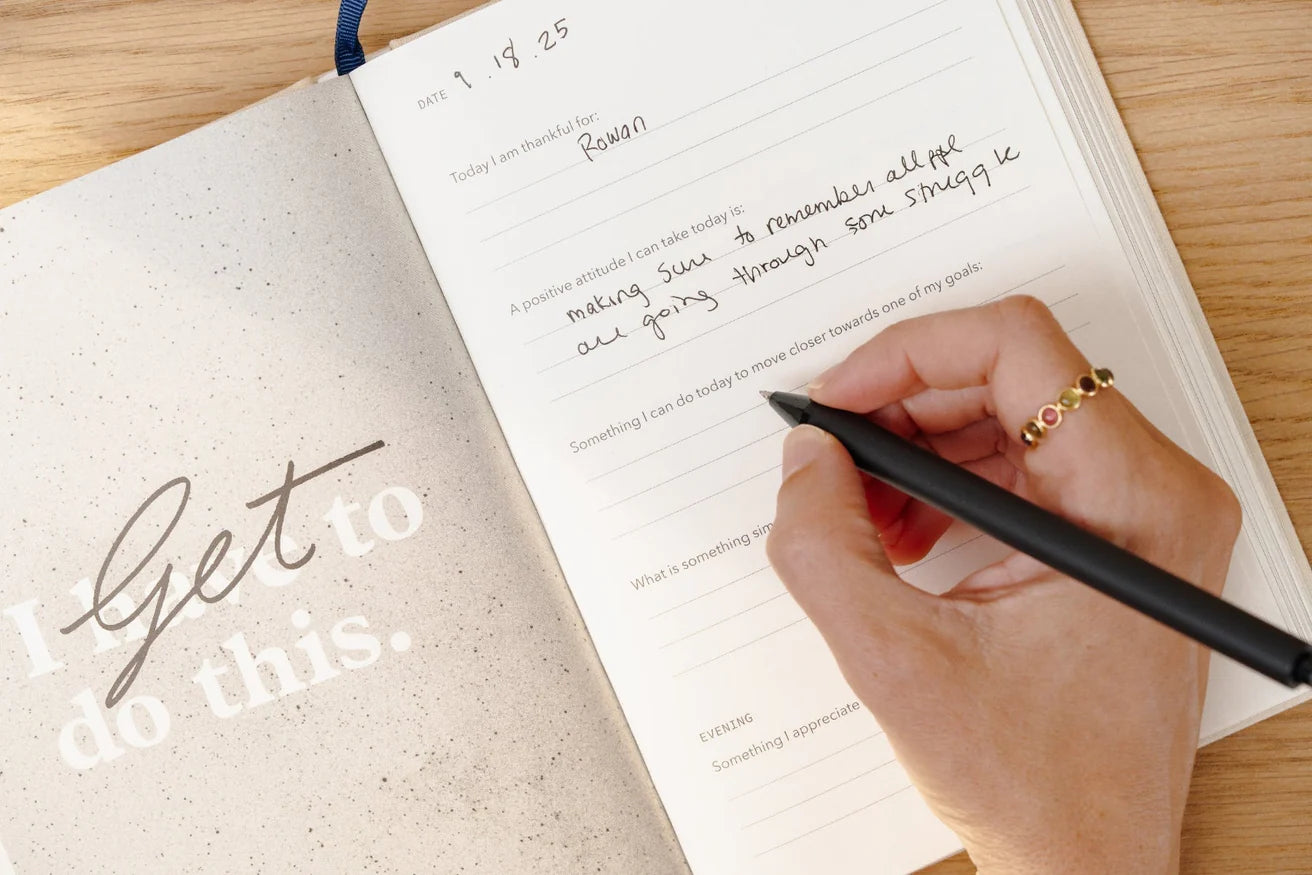
The right pen should feel almost invisible—steady, effortless, and balanced in your hand. Comfort isn’t luck; it’s the fit between your grip style, the pen’s weight, its balance, and barrel diameter. Use these practical steps to shortlist your specs and choose with confidence.
How your grip influences comfort
Most writers use one of a few common grips. Each favors a different weight and diameter window:
- Tripod grip: Thumb and index finger pinch the barrel while the pen rests on the middle finger. Versatile and precise; usually pairs well with medium diameters.
- Dynamic quadrupod: Similar to tripod but with more finger contact. Often benefits from a slightly thicker barrel to reduce squeeze pressure.
- Overhand or “hooked” grip (often left‑handed): A smoother, fast‑drying setup and moderate diameter help reduce drag and smudging. For more tactics, see Left‑Handed Writing Tips: Smudge Control and Line Choice.
- Relaxed power grip (signing, quick notes): Fingers sit a bit farther back. A balanced, slightly weightier pen can steady strokes without extra pressure.
If you’re still choosing a writing technology, compare formats in Choosing Your Everyday Writer: Ballpoint vs. Rollerball vs. Fountain.
Weight and balance—what matters most
Weight influences the effort to start and stop each stroke. Lighter pens feel quick and nimble; heavier pens can feel planted and smooth. Balance (where the mass sits relative to your pinch) changes perceived weight: a well‑balanced pen can feel lighter than its measurement suggests. Posting a cap typically shifts balance rearward; some writers like the counterweight, others prefer an unposted feel. Try both.
- Light (roughly under 0.8 oz): Lower fatigue for long sessions and fast jotting. Good for smaller hands or tighter grips.
- Medium (about 0.8–1.2 oz): A sweet spot for many writers; adds stability without drag.
- Heavy (over ~1.2 oz): Satisfying momentum and line consistency with minimal pressure—often favored for signatures and deliberate handwriting.
Diameter—how thick should the barrel be?
Diameter controls how far your fingers must pinch. Too slim, and you’ll squeeze; too thick, and fine control suffers. Start with these practical ranges and adjust to your hand size and grip strength:
- Small/lean diameter (~8–10 mm | ~5/16–3/8 in): Agile for detailed notes; may cause fatigue if you naturally grip tightly.
- Medium diameter (~10–11.5 mm | ~3/8–7/16 in): Balanced for most tripod grips and everyday writing.
- Large diameter (~11.5–14 mm | ~7/16–9/16 in): Reduces pinch force—helpful for longer sessions or joint sensitivity.
Decision matrix: match grip to pen specs
Use this compact matrix to shortlist your ideal weight and diameter before you shop.
| Grip style | Typical pressure | Suggested diameter | Suggested weight | Notes |
|---|---|---|---|---|
| Tripod (balanced) | Moderate | 10–11.5 mm | 0.8–1.2 oz | Pairs well with mid‑weight pens; compare paper feel in Paper Compatibility: Which Levenger Papers Love Fountain Pens. |
| Dynamic quadrupod | Higher pinch | 11–13 mm | 0.9–1.3 oz | Thicker barrels help relax fingers; fine‑tune line feedback with Nib Selector: Fine, Medium, Broad—Line, Feedback, and Paper Pairings. |
| Overhand/“hooked” | Variable | 10.5–12 mm | 0.7–1.1 oz | Favor fast‑drying inks and moderate diameters; see Left‑Handed Writing Tips. |
| Relaxed power grip | Low pinch | 10.5–12.5 mm | 1.0–1.6 oz | Well‑balanced, weightier pens can feel automatic for signatures and bold notes. |
Five‑minute self‑assessment
- Measure your pinch width: Hold a comfortable pen and note where your fingers land. If fingerprints overlap, try a thicker barrel; if your fingertips barely meet the barrel, try slimmer.
- Check pressure: If knuckles blanch or the pen leaves deep finger marks, increase diameter or choose a smoother, lower‑friction refill format (ballpoint or lubricated rollerball). For ink behavior and dry‑time, see Ink 101: Cartridges vs. Bottled, Drying Time, Sheen, and Water Resistance.
- Time a page: Write a half page. Forearm fatigue suggests weight is too high; fingertip soreness suggests diameter is too small.
- Post vs. unpost: Write two lines each way; keep whichever makes your strokes steadier without added effort.
Grip textures and shapes that help
- Faceted barrels keep your grip from twisting and prevent desk‑roll. A light, six‑sided option like the Chroma Facet Ballpoint Pen encourages a relaxed hold for everyday notes.
- Knurled metal grips add traction for precise control—useful if your hands run dry or you write in cooler rooms. For engineered balance and a hexagonal body, consider the rOtring 800 Ballpoint.
- Contoured or dotted grips cue finger placement and can reduce squeeze. The Faber‑Castell Grip Pen Gift Set offers a tactile, triangular grip that many find easy to hold.
If you plan to experiment with specialty nibs, see Calligraphy & Special Nibs: When to Experiment and How to Practice.
Real‑world picks by feel (and why they fit)
- Light, agile daily note‑taker: Chroma Facet Ballpoint Pen is lightweight with a stable six‑sided barrel—ideal if you prefer speed and low writing pressure.
- Substantial and steady rollerball: The Vanguard Pen is crafted in solid brass for a planted feel that rewards a relaxed grip and unhurried notes.
- Tactile control with engineered balance: The rOtring 800 Ballpoint combines a knurled metal grip with a hexagonal barrel for confident control without over‑squeezing.
- Giftable medium‑diameter classic: Sheaffer Emily in Paris Prelude Ballpoint with Notebook pairs a comfortable barrel with smooth ballpoint flow—good for a wide range of hands.
Comparing tip feel and required pressure? Start with Choosing Your Everyday Writer, then fine‑tune line width with Nib Selector: Fine, Medium, Broad—Line, Feedback, and Paper Pairings and explore ink properties in Ink 101: Cartridges vs. Bottled, Drying Time, Sheen, and Water Resistance.
At‑home tests before you buy
- Coin test for weight: Tape one or two coins to a light pen to simulate a heavier build. If your writing steadies without tension, you may prefer a medium‑heavy pen.
- Silicone band for diameter: Wrap a thin band at the grip to simulate a thicker section. If your pinch relaxes and letters stay consistent, look for 11–13 mm barrels.
- Paper and refill rehearsal: Smoother paper and lubricated inks reduce drag. Explore pairing guidance in Paper Compatibility: Which Levenger Papers Love Fountain Pens.
Desk setup and rotation
Comfort also comes from keeping the right tool at hand. If you rotate pens by task—fast notes, signatures, long drafting—a revolving stand makes choices easy. The full‑size carousel Pen Wheel displays up to 30 instruments and fits barrels up to 5/8 inch in diameter, while the compact Mini Pen Wheel holds seven pens and also fits up to 5/8 inch—ideal for a focused daily set.
Keeping pages flat reduces wrist tension. A weighted edge tool like the Leather Draftsman’s Weight or the classic Leather Book Weight stabilizes documents while you write. If you carry a single notebook, an elastic strap with a pen loop such as the Notebook Belt keeps your preferred writer attached and ready.
For more ways to display and protect your tools, see Presentation Matters: Cases, Stands, and Desk Display Ideas. If you enjoy curating tools over time, you might appreciate Starter to Collector: Building a Capsule Pen Collection.
Care, refills, and problem‑solving
A well‑tuned pen writes with less effort. If your lines skip or feel scratchy, review Troubleshooting Flow: Skips, Hard Starts, and Scratchiness, and keep performance consistent with Maintenance Rituals: Cleaning, Flushing, and Safe Storage. To understand compatibility and long‑term value, see Refills & Converters: Getting the Most from Your Levenger and Partner Brands. If you write on the go, Traveling with Pens: Flying, Leaks, and Everyday Carry covers leak‑smart habits and carrying comfort.
Budget, value, and rewards
Ergonomics is personal, and the right fit is worth it—especially for tools you’ll use every day. Levenger offers a range of writing instruments from accessibly priced to heirloom quality, with frequent promotions and special values. Many pens are refillable for years of use, which keeps long‑term costs reasonable. If you enjoy trying different formats or gifting thoughtfully, the Levenger loyalty program helps stretch your budget over time.
Frequently Asked Questions
Is a heavier pen always more comfortable?
Not always. Heavier pens can feel smooth and stable with a relaxed grip, but they may tire the forearm in long sessions. If you tend to squeeze tightly, prioritize a larger diameter over extra weight.
What diameter works best for smaller hands?
Many small‑to‑medium hands prefer 10–11 mm barrels. If your fingertips feel cramped or you see blanching at the knuckles, try 11–12 mm to reduce pinch force.
Should I post the cap for balance?
Posting shifts weight rearward. Some writers gain stability; others feel tip‑light. Write a few lines both ways and choose the setup that steadies your strokes with the least effort.
Ballpoint, rollerball, or fountain—what’s easiest on the hand?
It depends on your paper and pressure. Rollerballs and well‑tuned fountain pens glide with less force; ballpoints can be exceptionally smooth with the right refill. Compare formats in Choosing Your Everyday Writer.


