


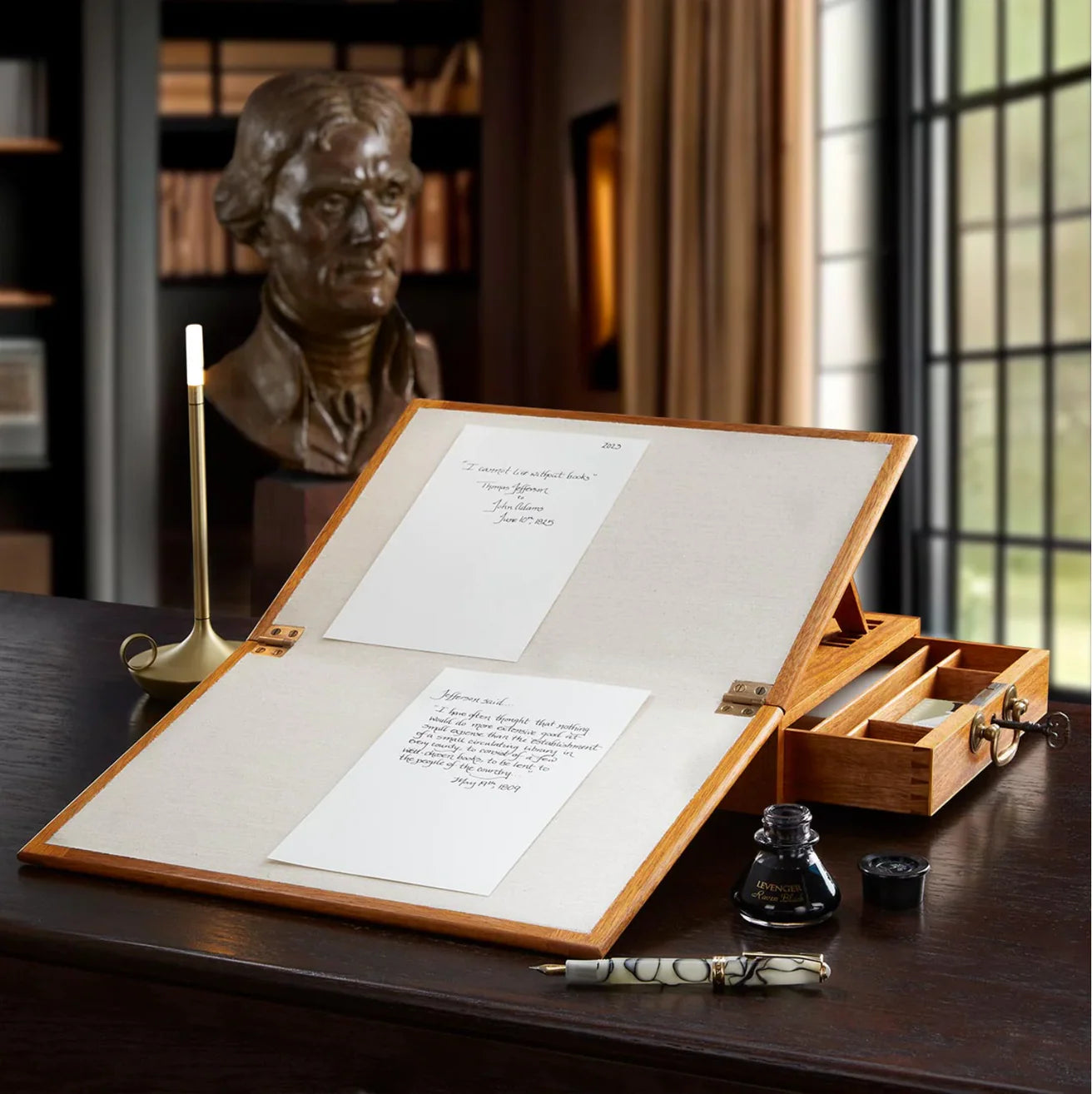
A true Reading Room doesn’t demand a specific floor plan or wingback chair. It’s a set of thoughtful decisions that make reading effortless wherever you are—at home, on the train, in a study carrel, or beside a sleeping child’s nightlight. This guide focuses on three essentials that shape every reader’s experience: shelving that respects your collection, carrying solutions that protect your load and your shoulders, and tools for seeing that reduce strain and invite longer, more satisfying reads. Along the way, we’ll share practical matrices, posture tips, and related resources for deeper dives.
The architecture of access: how to shelve what you love
Good shelving doesn’t just hold books; it preserves them and makes retrieval frictionless. If your library is growing or you want dust protection without committing to fixed cabinetry, a modular approach is often the most adaptable. Barrister-style sections solve three problems at once: they shield spines, they expand vertically as your needs change, and they create a tailored look that moves with you if your space does.
If this format is new to you—or you’re wondering when it’s worth the investment—see the dedicated explainer Barrister bookcases: what they are and when they are worth it. You’ll learn how the lift-up, slide-back doors function, how stacks are composed from leg base to crown, and smart ways to mix glass, solid-door, and drawer sections without visual clutter.
Not every collection calls for doors. Open shelving makes sense when you rotate titles frequently, prefer to see covers at a glance, or house oversized art books that invite browsing. A simple rule of thumb: choose doors for materials you want to protect (cloth bindings, special editions, or anything you won’t touch weekly), and keep open runs for current projects and high-circulation paperbacks.
- Barrister Bookcase Solid Wood Door — Barrister-style, enclosed shelving that shields spines and expands vertically as your collection grows.
- Cubi Adjustable Bookcase — Adjustable shelving modules that adapt to changing collections while keeping books upright and accessible.
Carrying knowledge comfortably: choosing the right bag for books
Books are dense. A comfortable carry depends on load path (where weight sits relative to your body), handle geometry, and interior structure. Canvas delivery totes ride low and close to the torso; structured book totes stand upright with pockets for small items; portable file totes give heavy hardcovers and documents a rigid base so edges don’t curl.
For specific use cases—big library hauls, everyday errands with a novel plus essentials, or a combined books-and-papers commute—consult Carrying Books: The Best Bags for Library Runs and Heavy Loads. That guide compares delivery-style heritage totes, structured options with bottle sleeves and tech pockets, and portable file formats favored by students and researchers.
As you choose, consider these practical cues: if your loads vary wildly, prioritize a bag that stands open while you pack so you aren’t wrestling a collapsing tote; if you walk or transit daily, slightly wider straps distribute pressure; and if you shuttle between car and home, a caddy-like design that docks on a hallway bench can double as a household organizer.
- By Your Side Portable Tote — A rigid portable tote designed to carry heavy books and papers without sagging or edge damage.
- Oxford Book Tote — A structured book tote that stands upright and includes pockets to organize small items on the go.
Seeing clearly: magnification and light for strain-free reading
Good light and the right magnification can add an hour to your stamina without you noticing—exactly the point. Think of magnifiers like reading lenses you can position in different ways: handheld for reach and scanning, line trackers and domes for steady passages, pocket formats for labels and fine print in the wild. Built-in LEDs help when ambient light is low or print is unusually small, but they aren’t a substitute for a room’s primary task lighting.
For a fast path to the right format by task—long chapters, atlases and maps, or ingredient labels—see Reading small print: magnifiers for books, maps and labels. It breaks down when handheld versatility wins, when the steadiness of a dome or line ruler reduces effort, and how integrated lighting helps in dim restaurants or winter evenings.
Below is a compact decision matrix to match common reading scenarios with magnifier types and tradeoffs.
Magnifier formats compared by reading task
Use this table to map your priority—steady text tracking, wide-surface scanning, or pocketable convenience—against strengths and limitations.
| Format | Where it excels | Tradeoffs | Good fit if you… |
|---|---|---|---|
| Handheld LED magnifier | Sweeping across wide pages, maps, marginalia; works in dim rooms thanks to built-in light. | Requires one hand; prolonged hovering can tire the wrist in very long sessions. | Read in mixed settings (sofa, train, café) and want reach plus illumination. |
| Line/ruler magnifier | Tracks a sentence evenly without wobble; useful for columns, ledgers, and paperbacks. | Less useful for illustrations or large-format layouts. | Prefer calm, line-by-line reading with minimal hand effort. |
| Dome/paperweight magnifier | Anchors to the page; glides to follow text; pleasing optical clarity for reference work. | Bulkier to carry; no reach to margins beyond its footprint. | Keep a dedicated reading spot and want low-strain desk reference. |
| Pocket magnifier (with or without light) | Receipts, labels, museum placards; disappears in a wallet or small pouch. | Small viewing window; best for brief reads, not chapters. | Need everyday insurance against tiny type on the go. |
When a built-in light makes the difference: look for even illumination across the lens, not a hotspot at the edge. An illuminated handheld option like the Handheld Large LED Magnifier is practical when you split time between home and travel or often read menus and programs in low light. If you value true pocketability for errands, the slim Pocket LED Magnifier covers labels and transit schedules without adding bulk. For calm, steady text tracking at a desk or dining table, a clear magnifier ruler encourages a relaxed pace and reduces refocusing strain. And if you appreciate a refined, always-with-you tool for quick lookups, a Leather Pocket Magnifier pairs utility with a protective sleeve that keeps the lens clear.
- Handheld Large LED Magnifier — Handheld LED magnifier for scanning text with bright, even illumination.
- Pocket LED Magnifier — Pocket LED magnifier for quick close-up reading and portable low-light use.
- Magnifier Ruler — Magnifier ruler for line-by-line reading and steady magnification across a sentence.
- Leather Pocket Magnifier — Leather pocket magnifier for a durable, pocketable option that protects the lens when stored.
- Smart Book Light — Compact directional book light to supplement magnifiers when ambient light is low.
Surfaces matter: posture, comfort, and the role of a lap desk
Even with excellent lighting and magnification, poor ergonomics can shorten a good session. A lap desk solves common posture problems by bringing the work surface to you rather than forcing you to hunch to it. The right choice depends on where you read (sofa, bed, armchair), what you do (annotate, type, or simply hold a book), and how long you stay put.
For a clear, answer-first comparison of three distinct designs—wide and stable for mixed laptop-plus-book work, lighter and balanced for long reading stints, and pen-forward for handwriting—see Choosing a Lap Desk for Reading, Writing, and Laptop Work. It maps everyday spaces (sofa, bed, chair) to the formats that support wrists, keep pages at a restful angle, and manage accessories without crowding.
If you’re sensitive to eye strain or neck fatigue during long reads, practical habit shifts help too. Small changes like slightly elevating your book, keeping the page center just below eye level, and taking brief breaks every twenty minutes can extend your concentration. For a focused look at how surfaces and stands influence posture, see the related guide Eyes and Posture: How a Lap Desk and Book Stand Cut Strain During Long Reads.
- Levenger Lap Desk — A stable, reading-focused lap desk that raises books to a healthier viewing angle and supports annotating.
Carrying choices at a glance
Different errands call for different carry geometries. Use this compact matrix to match your routine to a tote style.
| Carry style | Best for | Pros | Tradeoffs |
|---|---|---|---|
| Delivery-style canvas tote | Large, heavy book hauls; weekend library runs | Low, balanced load path; durable canvas; easy to set down | Minimal pocketing; bulkier in tight aisles |
| Structured book tote | Everyday carry (one or two books plus essentials) | Upright shape; pockets for water bottle, keys, and pens | Less ideal for very heavy, mixed-size loads |
| Portable file tote | Books plus folders, tablet, and papers kept straight | Rigid base; organizes documents; protects corners | Heavier empty weight; slightly more formal silhouette |
If your days span work, study, and home, you may keep one bag by the door for hauls and another caddy for room-to-room rotation. The guide Carrying Books: The Best Bags for Library Runs and Heavy Loads offers realistic pairings—such as a heritage delivery tote for Saturday errands plus a half-size caddy for quick school pickups—that prevent overcompromising on a single do-it-all bag.
Lighting the room, not just the page
Even the finest magnifier performs better in a well-lit room. A classic reading setup uses layered light: a broad, diffused ambient source to eliminate hard shadows; a directional task light that can be aimed slightly in front of the book to avoid glare; and, when needed, a gentle, built-in LED from your magnifier to boost contrast on tiny type. For evening rituals that pair a book with wind-down notes, the related piece Reading Before Bed: Lap Desk, Book Light, and Notebook Tips to Sleep Better shares practical ways to keep light warm, eyes relaxed, and sleep intact.
- Library of Congress Table Lamp 2.0 — A broad, diffused table lamp that provides even ambient illumination for a reading area.
- Focus Point Task Floor Light — An adjustable directional floor/task light you can aim to the page to avoid glare and shadows.
Building your Reading Room: a practical sequence
Readers often ask where to start. Here’s a sensible order that respects both budget and daily impact.
- Fix comfort first. Choose the surface where you read most and support it—often a lap desk or side table adjustment solves the biggest strain.
- Layer light. Ensure you have a soft, room-filling source and a controllable task light before adding specialty tools.
- Add the right magnifier for your toughest text (maps, labels, footnotes). A single, well-chosen tool—like the Handheld Large LED Magnifier for mixed environments or the magnifier ruler for calm, line-by-line reading—often unlocks neglected books.
- Choose your carry for your routine, not your aspirations. If weekly library stops are real, a delivery-style tote earns its keep; if your haul is one novel plus a notebook, a structured book tote avoids rummaging.
- Invest in shelving last, but invest well. Start with the sections you need today, with the option to expand tomorrow. The primer Barrister bookcases: what they are and when they are worth it helps you design a stack that won’t box you in.
Common missteps and how to avoid them
- Overlighting the page, underlighting the room. A harsh beam on paper with a dark background forces your pupils to work harder. Balance page light with ambient glow.
- Buying a magnifier by power alone. Higher power narrows the viewing field and can demand closer positioning. Choose form factor first, then power based on task and comfort; the overview in Reading small print: magnifiers for books, maps and labels explains why.
- One bag for every job. If your week alternates groceries, library runs, and flights, a single tote will always be a compromise. Combine one heavy-lift carrier with a lighter daily option as outlined in Carrying Books: The Best Bags for Library Runs and Heavy Loads.
- Ignoring wrists and lap heat during “just a few pages” laptop reads. If you annotate digitally, a lap desk that spreads weight and offers a firm writing area preserves comfort. For room-by-room guidance, see Choosing a Lap Desk for Reading, Writing, and Laptop Work.
- Letting specialty tools float unprotected. Keep pocket magnifiers in sleeves to avoid scratches—options like the Leather Pocket Magnifier integrate the case so they stay clear and ready.
Key takeaways for a Reading Room that works every day
- Shelving is strategy. Use protective, modular sections for long-term holdings and doors; keep open shelves for current, high-rotation titles.
- Carry by context. Delivery totes handle weight; structured book totes keep everyday items organized; file totes guard papers and devices.
- See more with less strain. Match magnifier format to task, then add light judiciously. Consider a handheld with LED for versatility, a ruler for steady text, or a pocket piece for errands.
- Surfaces shape stamina. A well-chosen lap desk aligns page and posture, extending focus and comfort across rooms and routines.
Frequently Asked Questions
How tall should a barrister stack be in a typical living room or study?
Most readers are comfortable with a finished height between about eye level and two hand-widths above it when standing in front of the case. That range keeps upper doors easy to open without tiptoeing and preserves room for a crown. Start with a leg base, add three to four sections, then reassess. For a full walkthrough of bases, sections, and crowns, see Barrister bookcases: what they are and when they are worth it.
Do I need a magnifier with a light, or will room lighting suffice?
In a well-lit room, many readers prefer unlit domes or rulers for the calm, shadow-free view. Integrated LEDs help in dim spaces or with fine print. If you alternate between bright desks and low-light environments, a versatile illuminated option like the Handheld Large LED Magnifier covers both scenarios, while a dedicated magnifier ruler lives on your desk for steady text.
Which carry style is gentlest on shoulders during long walks?
For heavy loads, a delivery-style canvas tote that rides low and close to the torso keeps the center of gravity stable. Wider straps reduce pressure points. If your carry includes folders and a tablet, a portable file tote adds structure so weight doesn’t sag away from your body. For detailed pairings and comfort tips, see Carrying Books: The Best Bags for Library Runs and Heavy Loads.
How can I reduce neck and wrist strain during long reading sessions?
Bring the page to your eyes, not the other way around. Keep the page center just below eye level, support your forearms, and take a short pause every twenty minutes. A balanced lap desk tuned to your setting—sofa, bed, or chair—does most of this effortlessly. For room-specific comparisons, see Choosing a Lap Desk for Reading, Writing, and Laptop Work and the posture-focused guide Eyes and Posture: How a Lap Desk and Book Stand Cut Strain During Long Reads.
Where to go next
If your Reading Room foundation is in place but you want to fine-tune your paper workflow—digitized articles, printed references, and handwritten notes—the disc-bound system can unify loose pages and bound notebooks without committing to a single format. For practical techniques (home, office, travel), see The Circa Punch Playbook: Turn Any Document into Circa (Home, Office, Travel). Pairing a flexible note system with the right shelving, carry, and visibility tools completes a Reading Room that serves you at every stage—from discovery to deep reading to long-term reference.
- Circa Annotation Ruled Discbound Notebook — A discbound ruled notebook that lets you add, remove, and rearrange reference pages and notes easily.
- Circa Page Finder Discbound Notebook Tabs (set of 4) — Page finder tabs designed for discbound systems to mark and quickly access key reference pages.


