


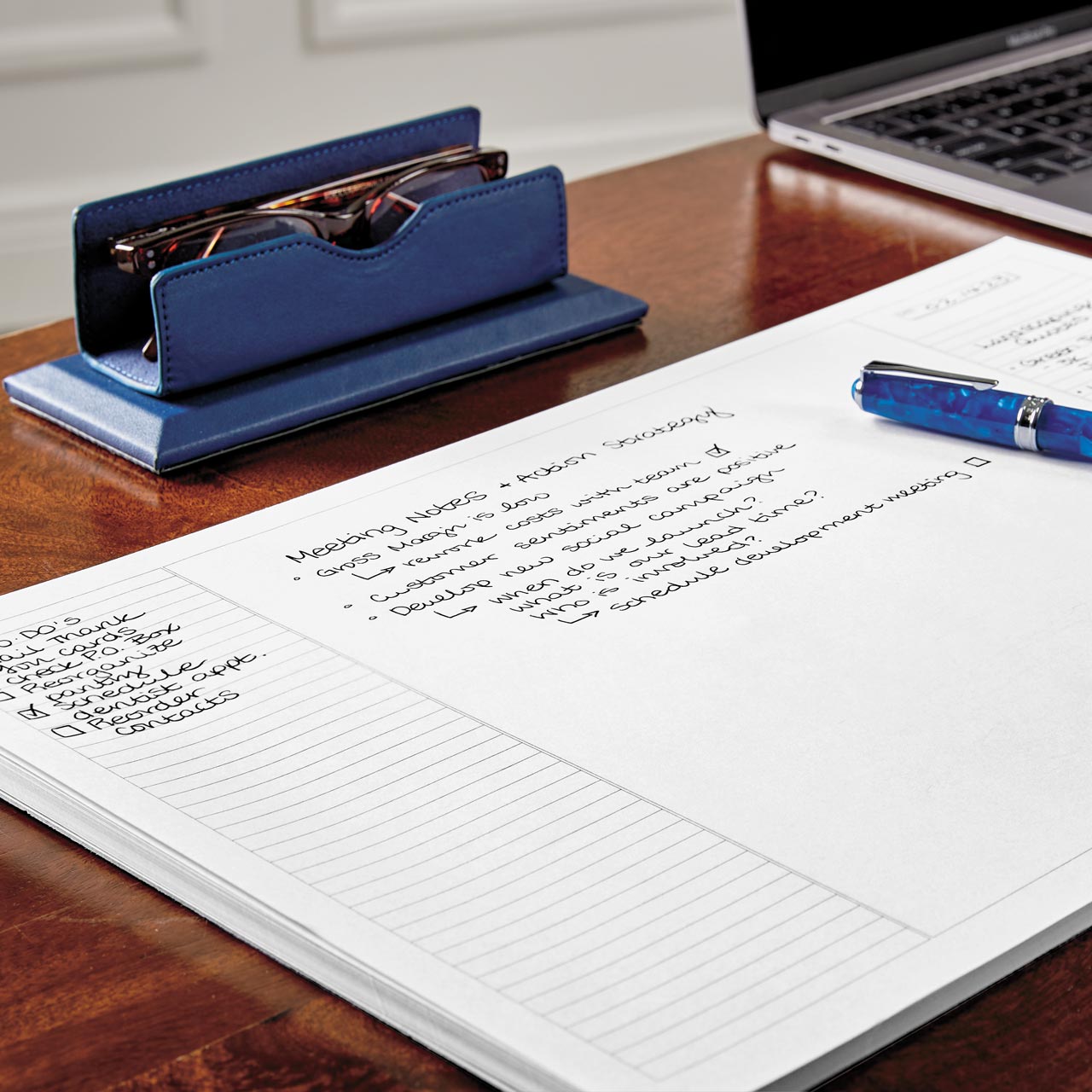
Although convenient, typing may not have the same benefits as writing by hand. Scientifically, writing by hand provides emotional, memory retention, cognitive, and comprehensive engagement, amongst other things. Ultimately, the preference is determined by the writer.
We'll look at how writing by hand and typing each affect the mind: from cognitive processing and memory retention to creativity and learning itself. Along the way, we may find that the tools we use, whether a keyboard or a well-balanced pen, do more than capture our thoughts. They shape them.
Comparing Handwriting and Typing
The comparisons of both handwriting and typing, depend on the situation and purpose, understanding their impact and when to use either option.
Efficiency
Typing is the clear leader in speed. It keeps up with fast thinking and allows for quick edits, rearranging, and expansion. For long-form writing or capturing information in real time, a keyboard can feel almost invisible.
Handwriting moves at a slower pace. That can seem like a limitation, but it leads to more deliberate thinking. You are less likely to record everything and more likely to choose and remember what matters.
Accessibility and Practicality
Typing offers built-in support. Spell-check, formatting tools, and voice input make writing easier and more flexible for many people. It also allows for easy storage and sharing.
Handwriting is simpler but more tactile. It requires fewer tools and can be done anywhere without power or connectivity. A notebook and pen invite a different kind of focus, one that is less interrupted by notifications or digital clutter.
Classroom Performance
In academic settings, the differences become more pronounced. Students who write notes by hand often perform better on conceptual questions. The slower pace encourages them to process and reframe ideas rather than transcribe them word for word.
Typing can be useful for dense or fast lectures. It allows students to capture more information, though sometimes at the cost of deeper engagement.
Engagement
Handwriting tends to foster presence. The physical act of forming words can anchor attention and make the material feel more immediate.
Typing, while efficient, can drift into autopilot. It is easy to fill pages without fully absorbing what is being recorded.
Technology and Note-Taking Habits
Modern tools blur the line between handwriting and typing. Tablets and styluses offer a hybrid experience, combining the flexibility of digital storage with the feel of writing by hand.
These tools shape how we take notes, organize ideas, and revisit them later. Still, there is a quiet distinction between ink on paper and words on a screen. Each invites a different rhythm of thought.
Cognitive Effects of Writing by Hand
Writing by hand may appear simple, or even old-fashioned to some, yet the act itself lies in a remarkable interplay between hand, eye, and mind. To write by hand is not merely to record a thought, but to participate in its formation.
Brain Activity
Research has shown that handwriting engages the brain in ways typing does not fully replicate. When we form letters by hand, multiple regions of the brain activate simultaneously, including those tied to language, memory, and motor control. This coordination creates a richer neural experience.
Typing, by comparison, relies on repetitive keystrokes. While efficient, it tends to involve less variation in movement and therefore less complex brain engagement. The difference is subtle but meaningful. Handwriting asks the brain to do more, and in doing so, it strengthens the connections that support learning.
Fine Motor Skills
The physicality of handwriting plays an important role, particularly in early cognitive development. Each letter requires intention. The shape, spacing, and pressure all demand attention and control. These fine motor skills are closely linked to how we process and retain information.
Even in adulthood, that tactile feedback continues to matter. The slight resistance of paper, the movement of the hand across the page, the visual progress of ink forming words. All of it reinforces the act of thinking. It is a reminder that ideas are not only abstract, but also something we shape with our hands.
Comprehension and Memory
Perhaps the most compelling argument for handwriting lies in its relationship to memory. Studies consistently suggest that writing by hand improves comprehension and retention. Because the process is slower, it encourages us to summarize, interpret, and rephrase rather than copy verbatim.
Memory Retention and Learning Efficiency
A growing body of research suggests that handwritten notes tend to support stronger memory retention than typed ones. Because handwriting is slower, it encourages selectivity. You cannot capture everything, so you begin to listen differently. You filter, summarize, and translate ideas into your own words.
Typing often allows for near-verbatim transcription. While this can create a thorough record, it does not always create a lasting one. The mind can remain at the surface, recording without fully processing. Handwritten notes, though sometimes less complete, are often more deeply understood and more easily recalled.
Note-Taking Strategies
Of course, the method alone is only part of the story. Strategy matters just as much. A thoughtful approach to notetaking can elevate either handwriting or typing.
Students who engage actively with their notes, organizing ideas, asking questions in the margins, revisiting and refining what they have written, tend to retain more, regardless of the tool. Handwriting naturally lends itself to this kind of interaction. Arrows, annotations, and small sketches can emerge organically on the page.
Typing can support similar strategies, particularly with well-structured digital systems. Outlines, highlights, and searchable text offer their own advantages. The key is intention. Notes should not be a transcript, but a conversation with the material.
Exam Preparation and Performance
When it comes time to prepare for exams, these differences begin to show. Handwritten notes often serve as more effective study guides because they already reflect a level of processing. Reviewing them can feel like revisiting a line of thought rather than encountering information for the first time.
Students who rely heavily on typed notes may benefit from revisiting and rewriting key concepts by hand. This added step can reinforce memory and deepen understanding before an exam.
Creativity and Writing – Handwriting's Role
Handwriting invites a different rhythm of thought. Without the speed and polish of a keyboard, ideas arrive less hurried and often more surprising. You are not racing to keep up with them. You are accompanying them.
There is also a certain freedom in knowing that what you write by hand does not need to be perfect. The page is forgiving. It allows for fragments, false starts, and sudden turns. In that sense, handwriting can feel less like performance and more like thinking out loud.
Creative Exercises
For those looking to nurture this kind of thinking, handwriting offers several simple but effective practices.
Freewriting is perhaps the most familiar. Set a timer, take up a pen, and write continuously without stopping or editing. The goal is not coherence, but momentum. Often, the most interesting ideas appear just beyond the point where you might otherwise stop.
You might also try writing prompts by hand, allowing yourself to respond without overthinking. A single question, a line of poetry, or even an image can be enough to begin. The key is to keep the process tactile and immediate.
The Role of Writing Tools
The tools we choose matter more than we might expect. A well-balanced pen, a page with a pleasing texture, a notebook that opens easily and lies flat. These details shape the experience in subtle ways.
When the best writing supplies are used, the act of writing can feel more intentional. You are more inclined to return to it, to spend time with it. The page becomes a place you want to visit, not just a surface to fill. A single pen and a blank page can be enough to begin.
Ergonomics and Health – Writing Tools and Techniques
Whether handwriting or typing, having the correct posture while doing both, always comes down to the flick of the wrist. Ergonomics in writing and typing can influence how smoothly you write/type, how effectively you transition throughout your content, and possibly your ability to pay attention while writing. If you're uncomfortable, how can one maintain an attention span to continue to write?
A well-made pen that rests comfortably in the hand can ease pressure and encourage a lighter grip. Paper with a bit of texture offers gentle resistance, guiding the motion rather than fighting it. These small tactile details shape the experience of writing more than we might expect. They invite the hand to move with less effort and more ease.
Posture carries equal weight. When writing by hand, a slight incline can help the wrist remain neutral, reducing strain over time. Sitting upright, shoulders relaxed, keeps tension from settling in unnoticed. At the keyboard, alignment becomes the focus. The screen at eye level, wrists straight, feet grounded. Small adjustments, yes, but ones that quietly support longer, more comfortable work.
Just as important is the habit of stepping away. A brief pause to stretch the fingers or roll the shoulders can interrupt strain before it takes hold. Shifting between handwriting and typing throughout the day also helps, introducing variety in movement and giving overworked muscles a rest.
Writing for Mental Health and Well-being
There are moments when writing becomes less about producing and more about understanding. In those moments, handwriting offers a quiet steadiness. The slower pace and rhythm of pen on paper can help settle the mind. This can make it easier to process emotions, reduce stress, and bring clarity to what might otherwise feel scattered or unresolved.
Journaling and expressive writing build on this effect, offering a private space to reflect without interruption. While typing provides speed and convenience, writing by hand often creates a deeper sense of presence, free from digital distractions. Both have their place, but when the goal is reflection or emotional clarity, the physical act of writing can feel more grounding. In either form, the simple habit of returning to the page can become a meaningful way to support mental well-being.
Educational Techniques and Learning Styles
Typing often suits those who need speed and structure, allowing thoughts to keep pace with instruction. Handwriting, meanwhile, tends to support learners who benefit from slowing down, organizing ideas in their own words, and engaging more physically with the material.
Many effective educational techniques lean into this strength. Writing summaries by hand, sketching concepts, or annotating texts can deepen understanding by encouraging active processing. Even simple practices, like rewriting key ideas or outlining lessons on paper, can help reinforce learning in a way that feels more intentional than passive review.
For both educators and students, the goal is balance. Use typing when efficiency and volume are needed, especially for capturing information quickly. Turn to handwriting when comprehension, reflection, or retention is the priority. Moving between the two allows each method to do what it does best, creating a more flexible and thoughtful approach to learning.
Conclusion: Finding the Right Balance
Handwriting supports deeper cognitive engagement, stronger memory retention, and a more reflective, creative process. It also encourages a physical awareness that can benefit both focus and well-being. Typing, on the other hand, offers speed, accessibility, and efficiency, making it indispensable for capturing and organizing large amounts of information. Each method brings its own strengths, and neither needs to replace the other.
If you're looking to make handwriting a more natural part of your routine, consider the tools that make you want to return to the page. A thoughtfully chosen pen and notebook can transform writing from a task into a habit you look forward to. You can explore a range of finely crafted writing tools that Levenger has to offer. In the end, the goal is not perfection, but presence. However, you write, let it be a method that helps you think, learn, and create with intention.